Le Monde Argent | The Shape of Uncertainty

The Shape of Uncertainty

Le Monde Argent

Financial Markets, Against Wind and Tide

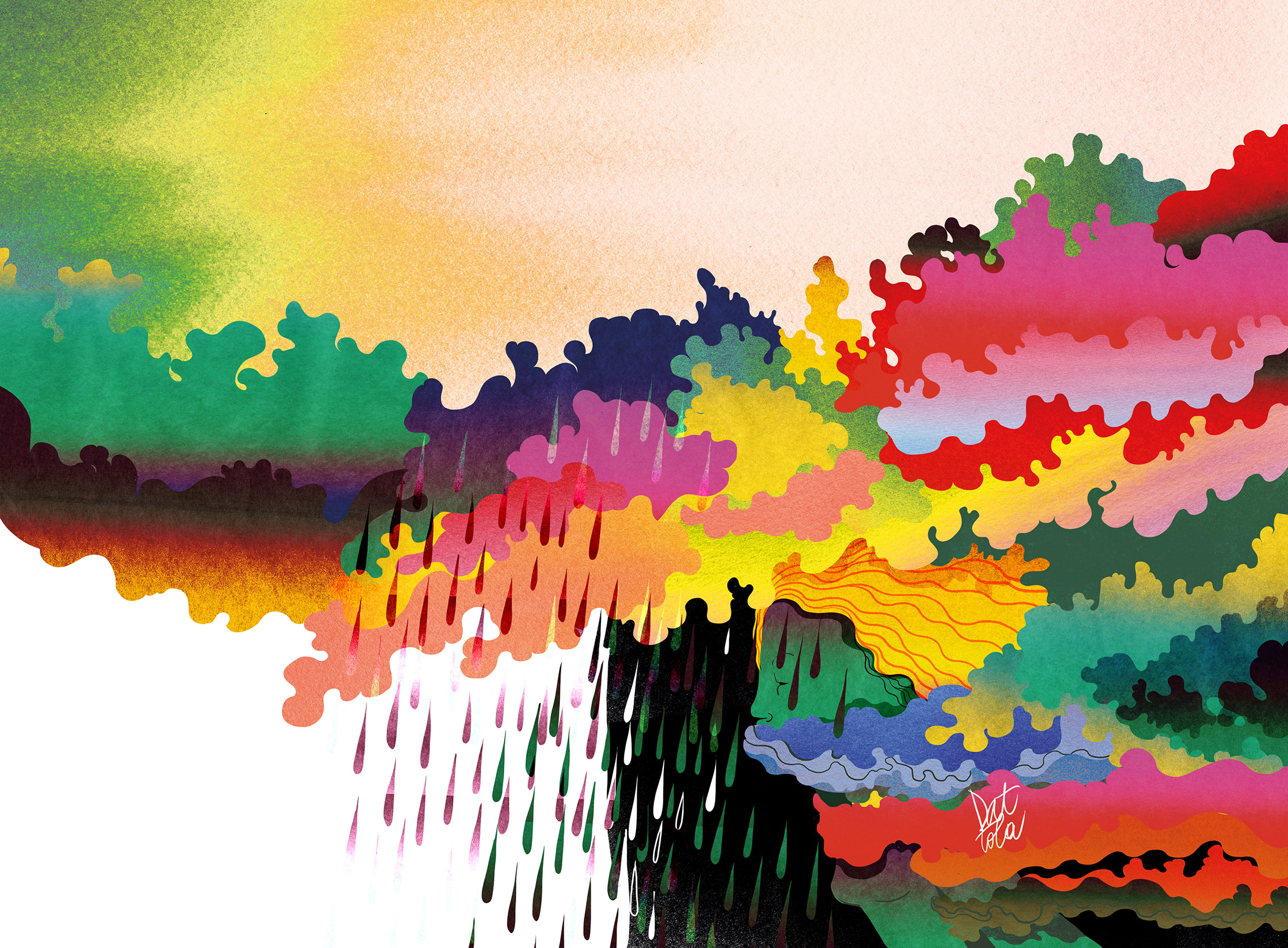
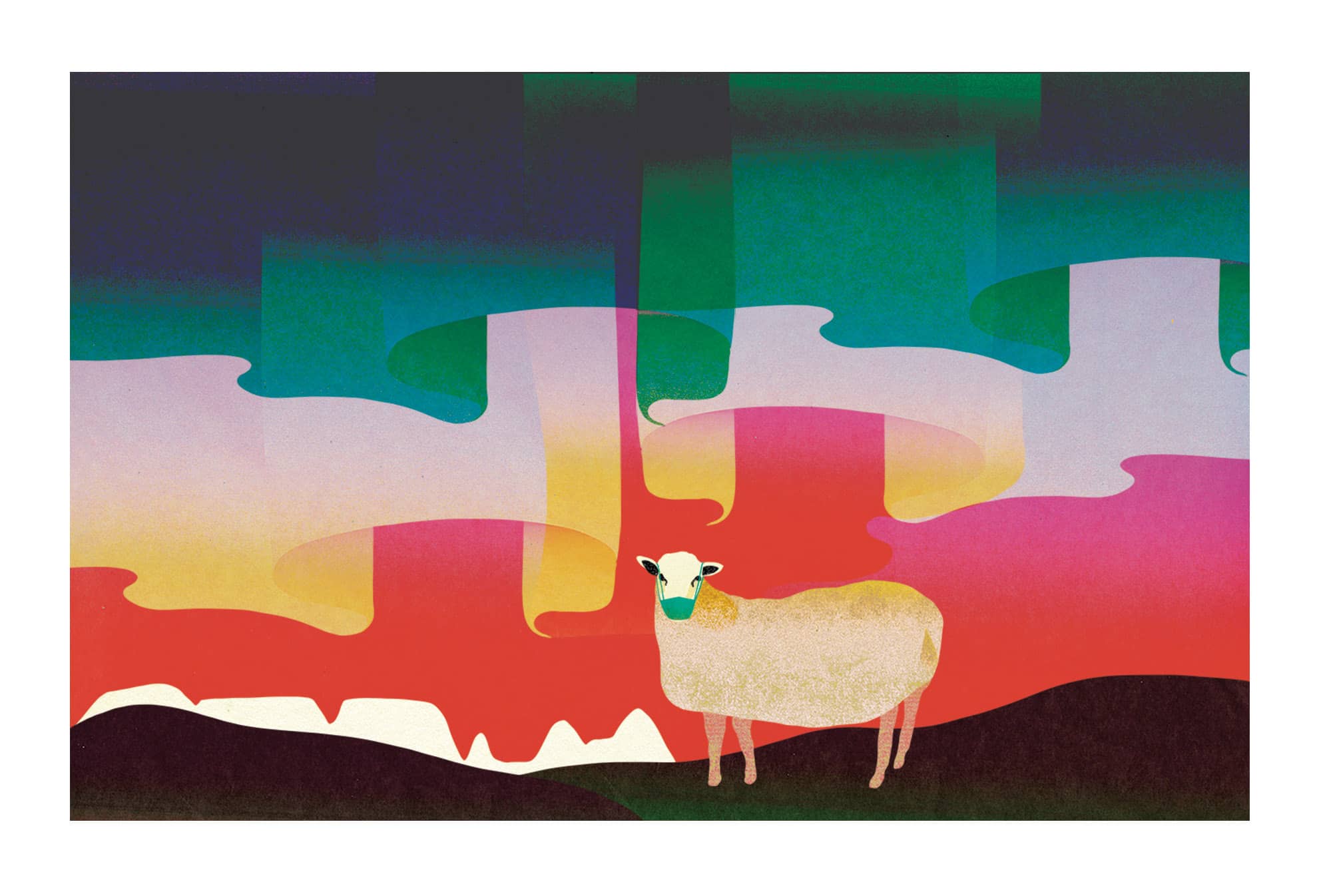
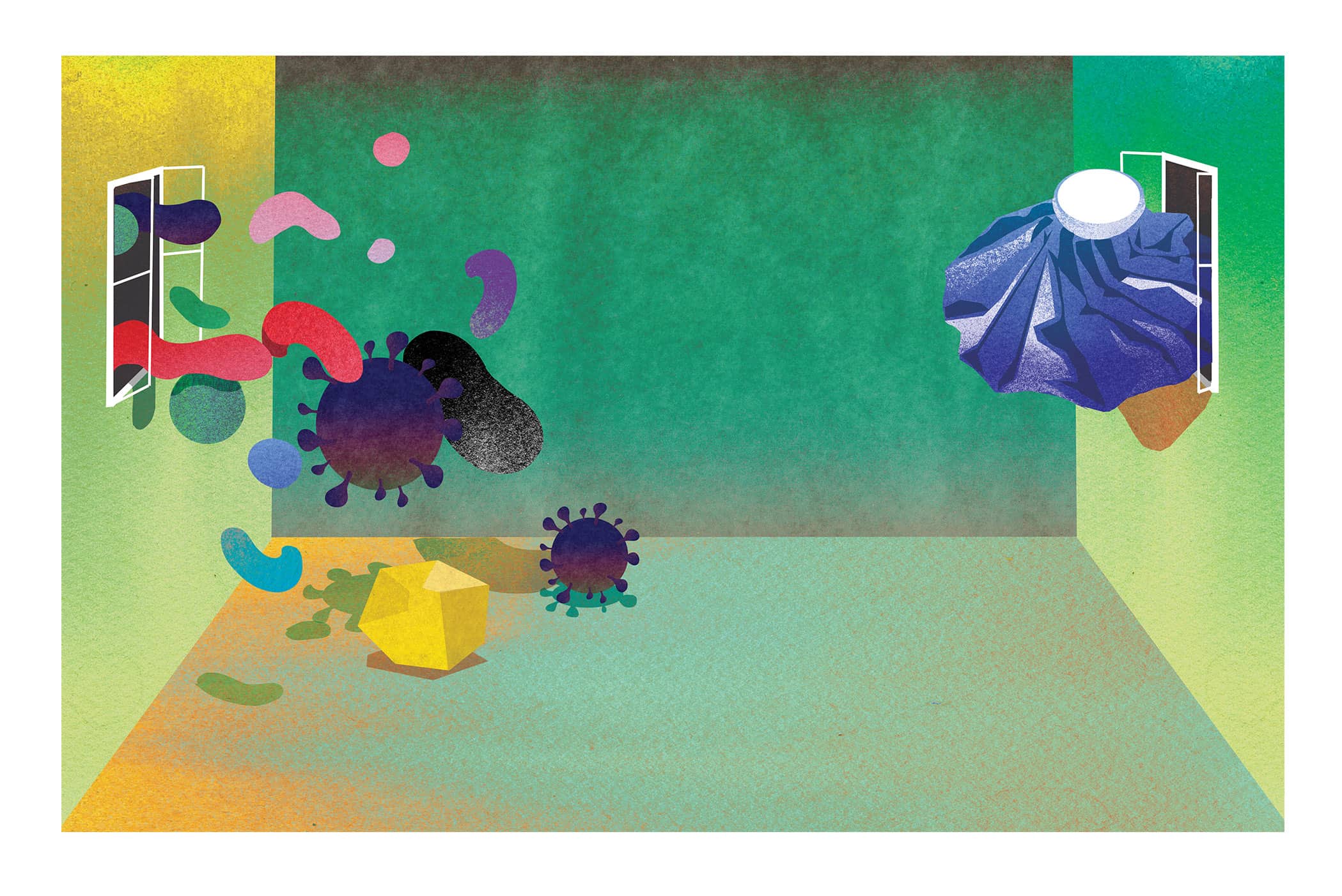
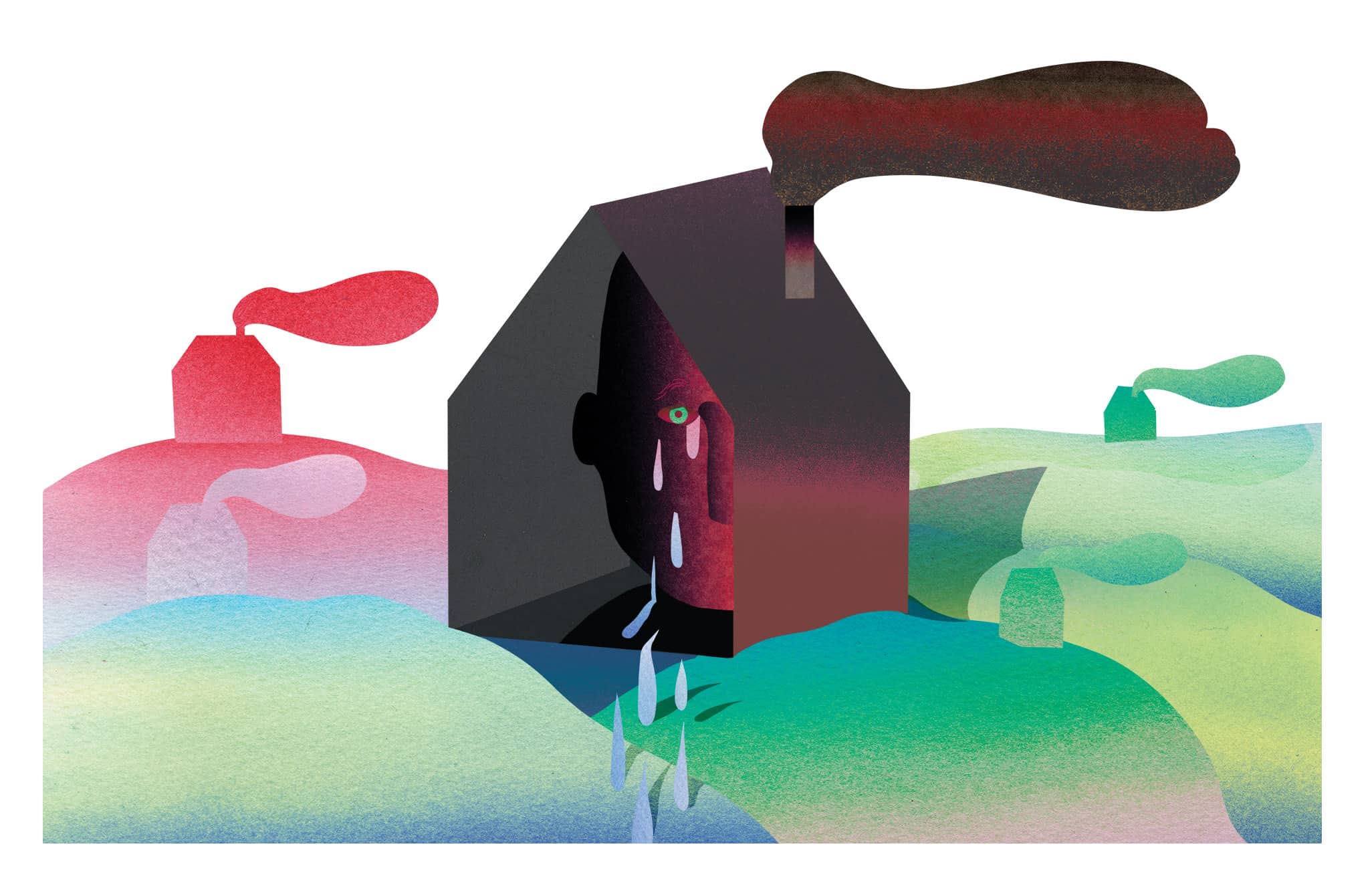
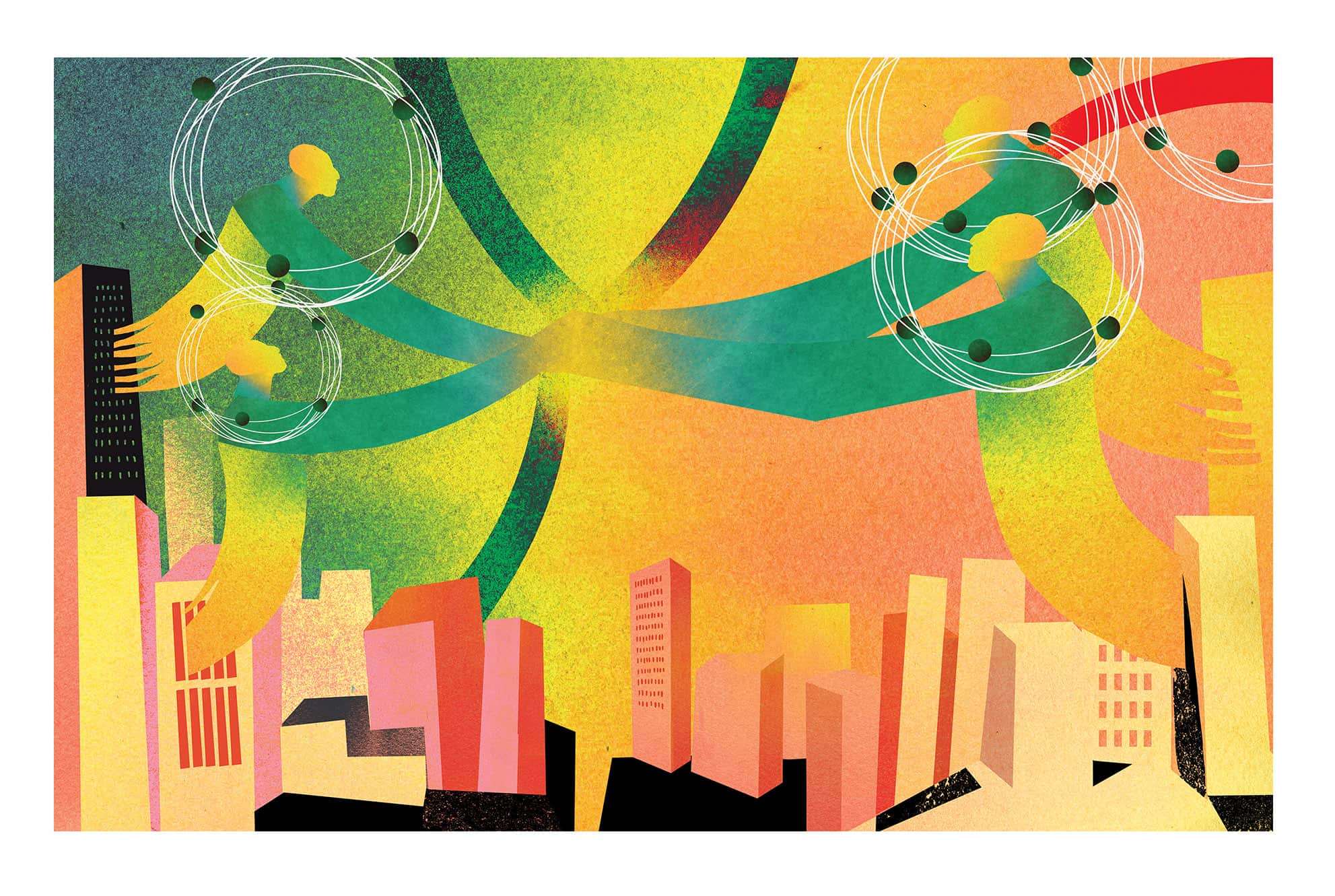
War in the Middle East, inflation, rising U.S. tariffs… Since the return of Donald Trump to the White House in 2025, stock markets have faced significant instability, yet they continue to hold firm.
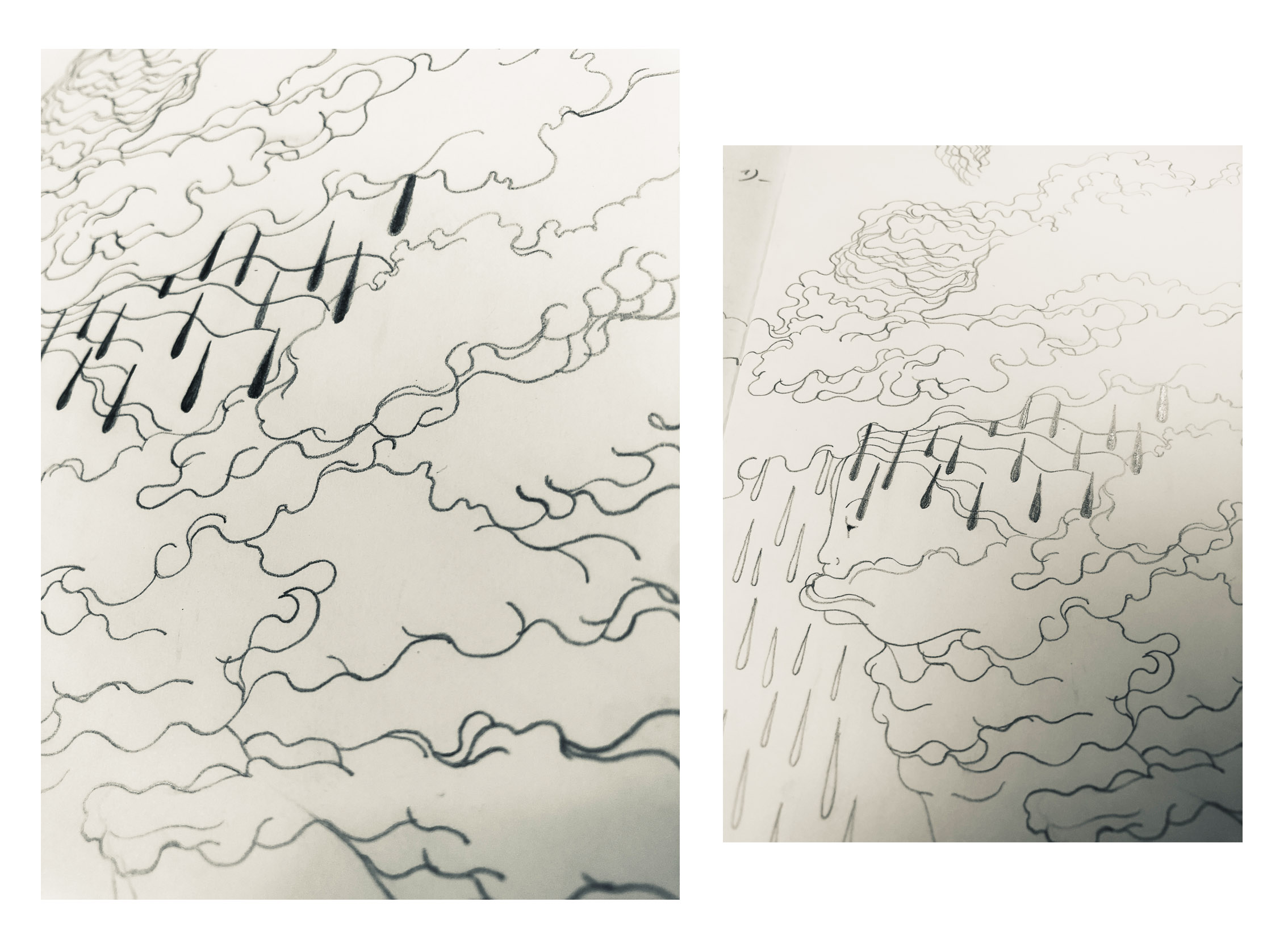
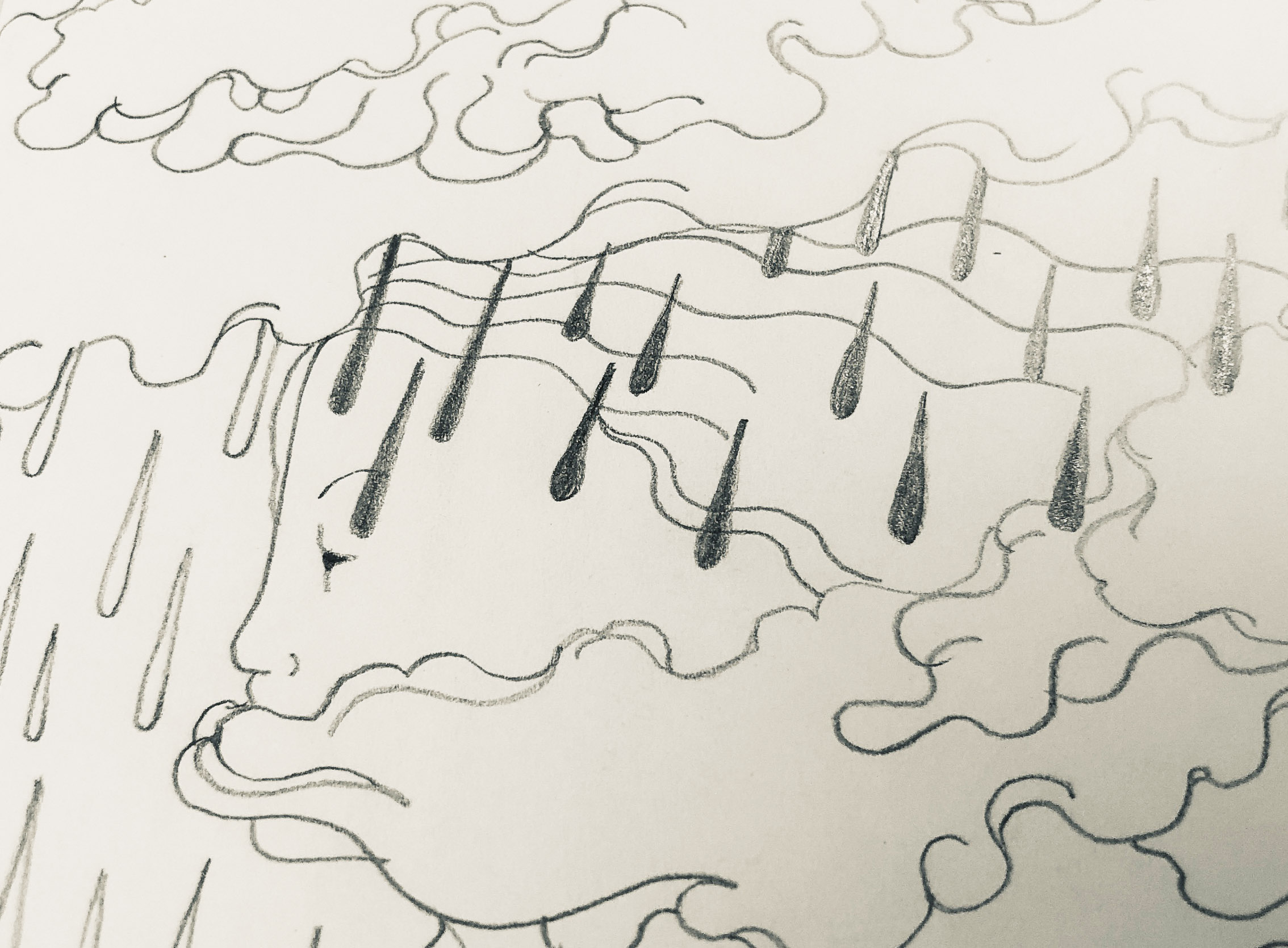
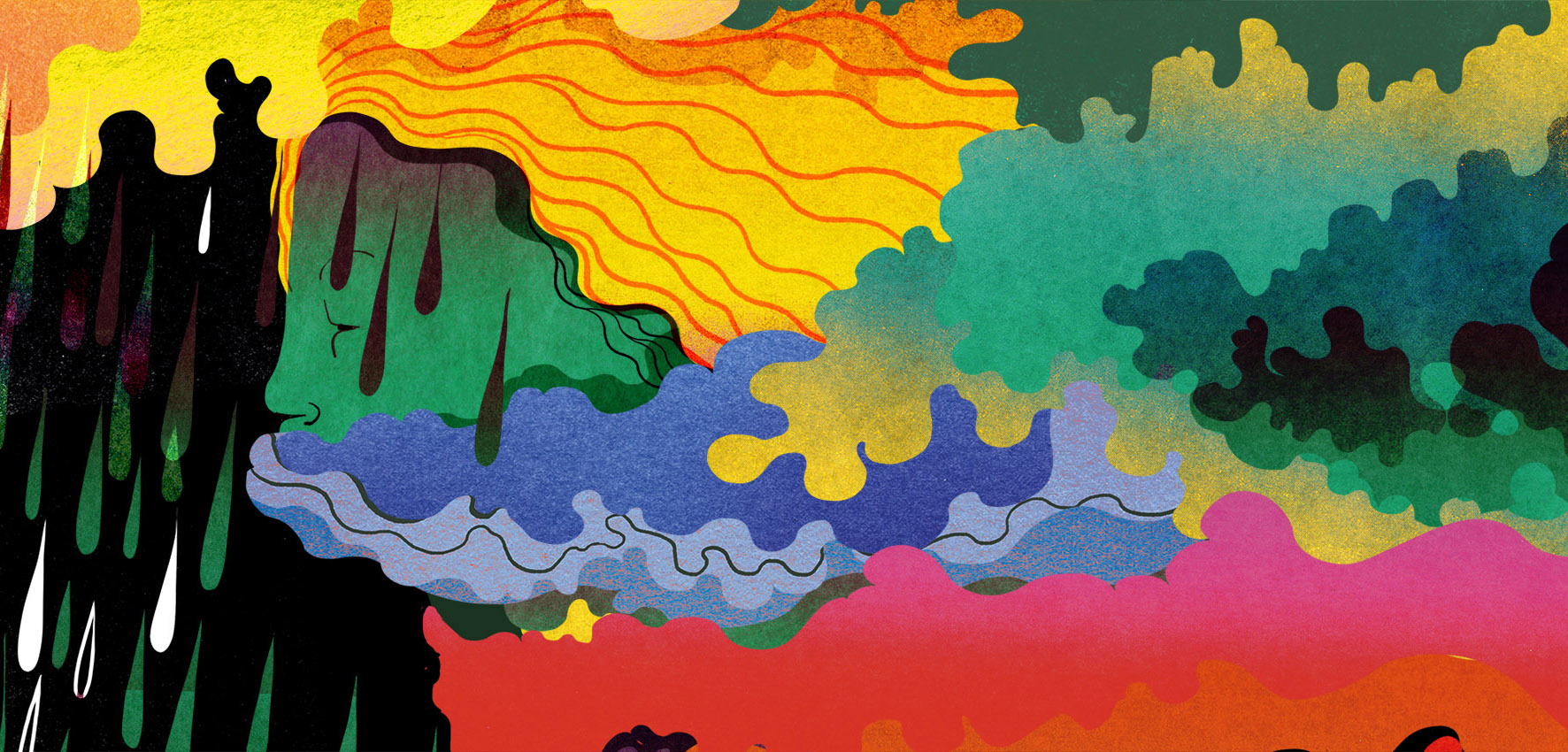
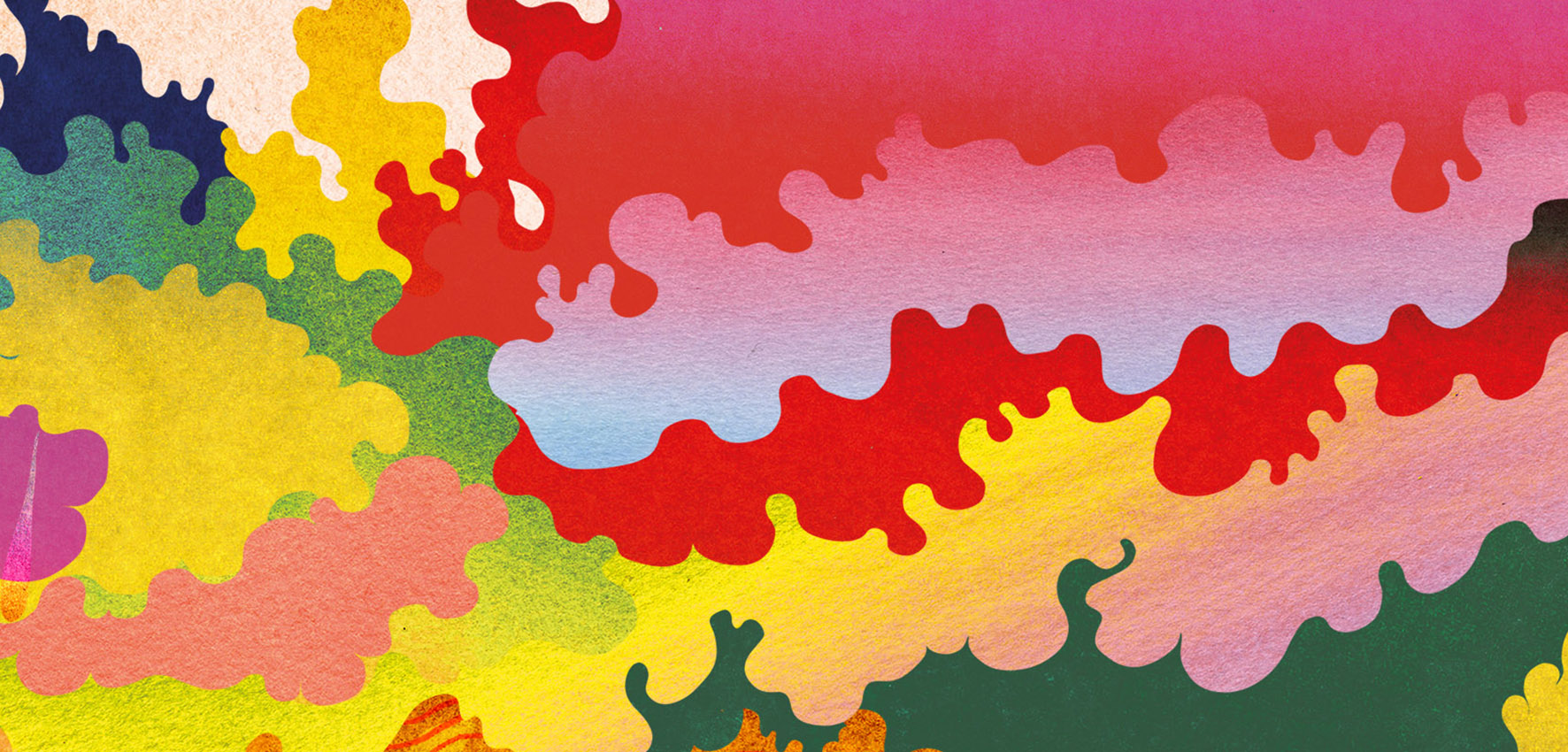
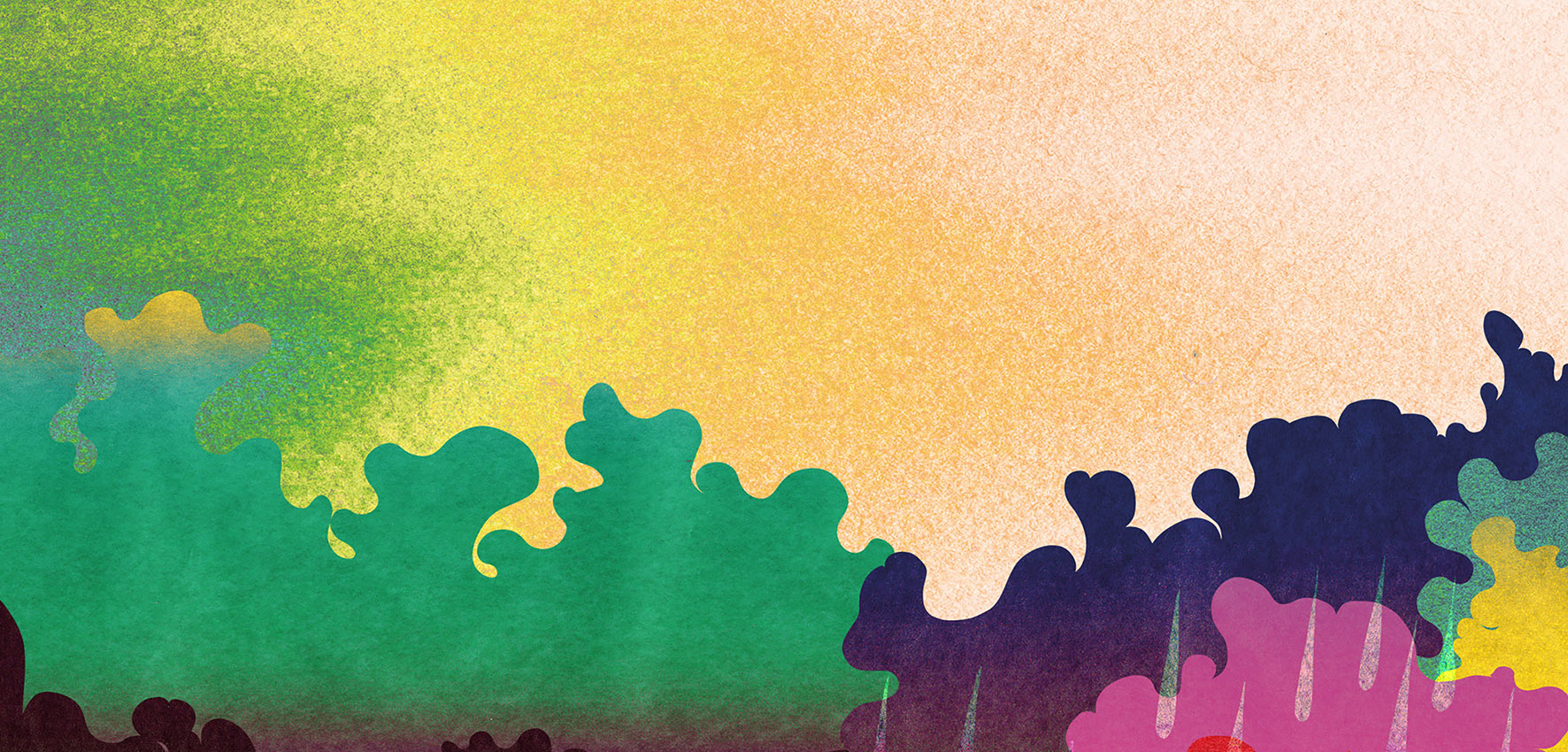
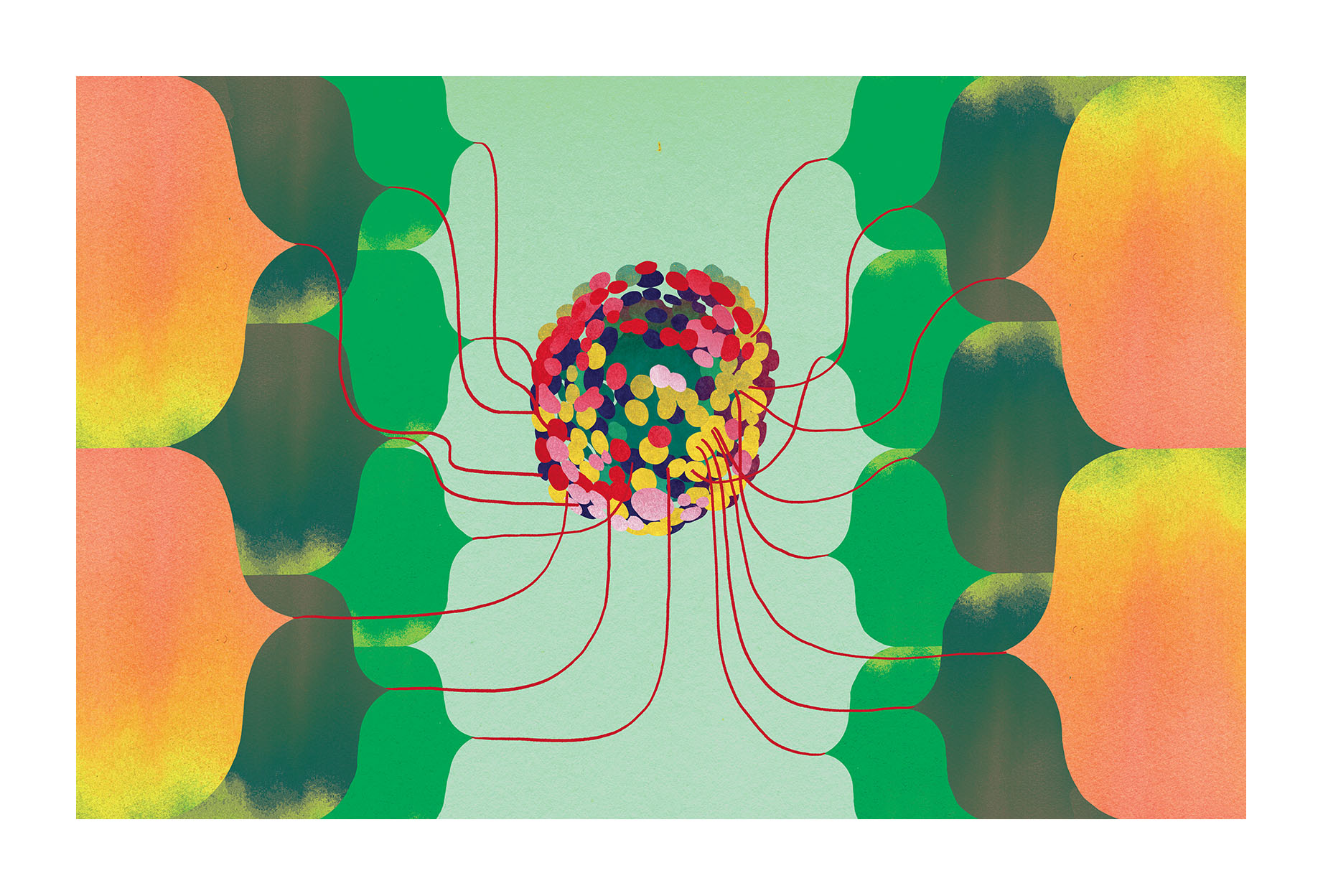
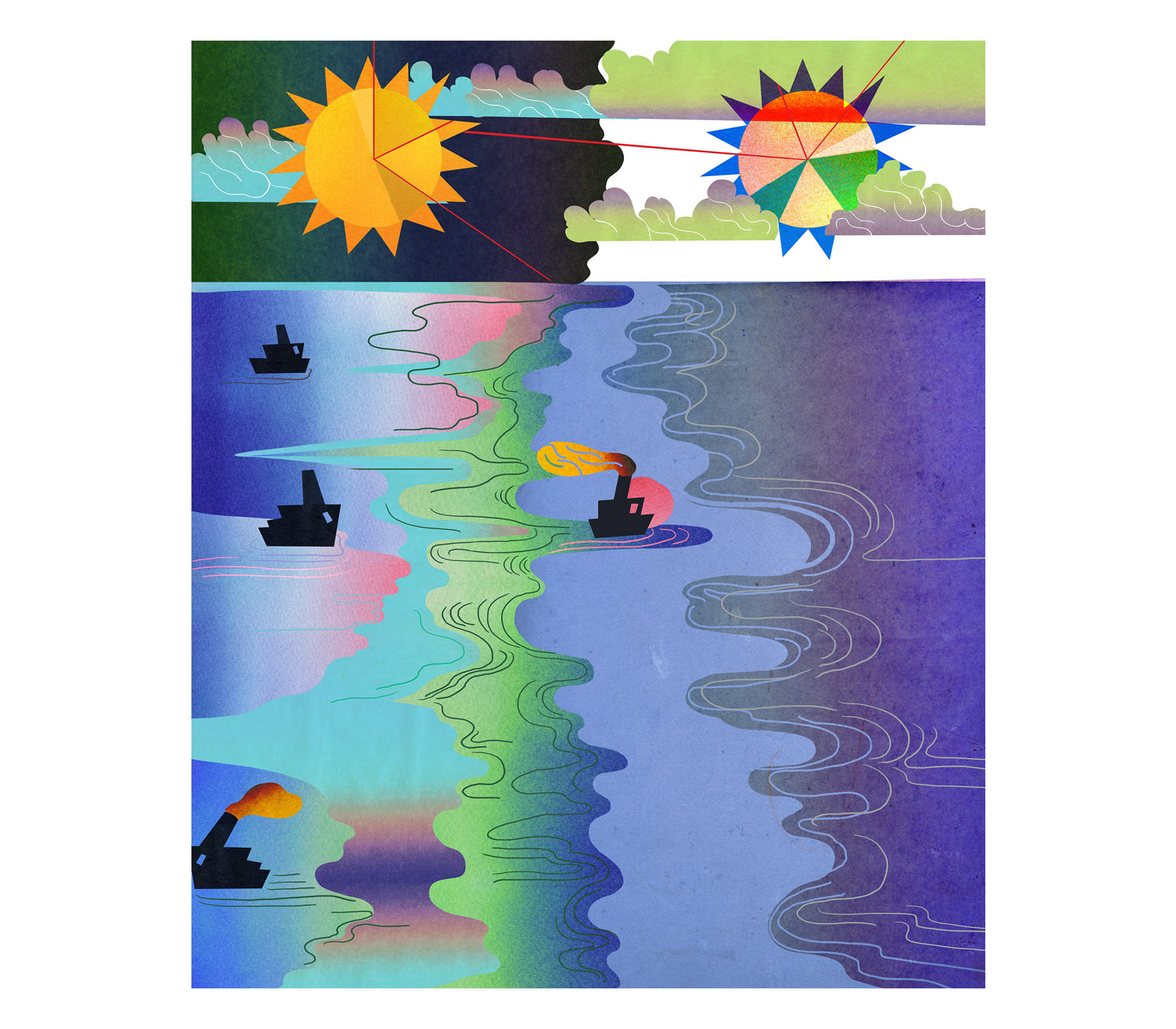
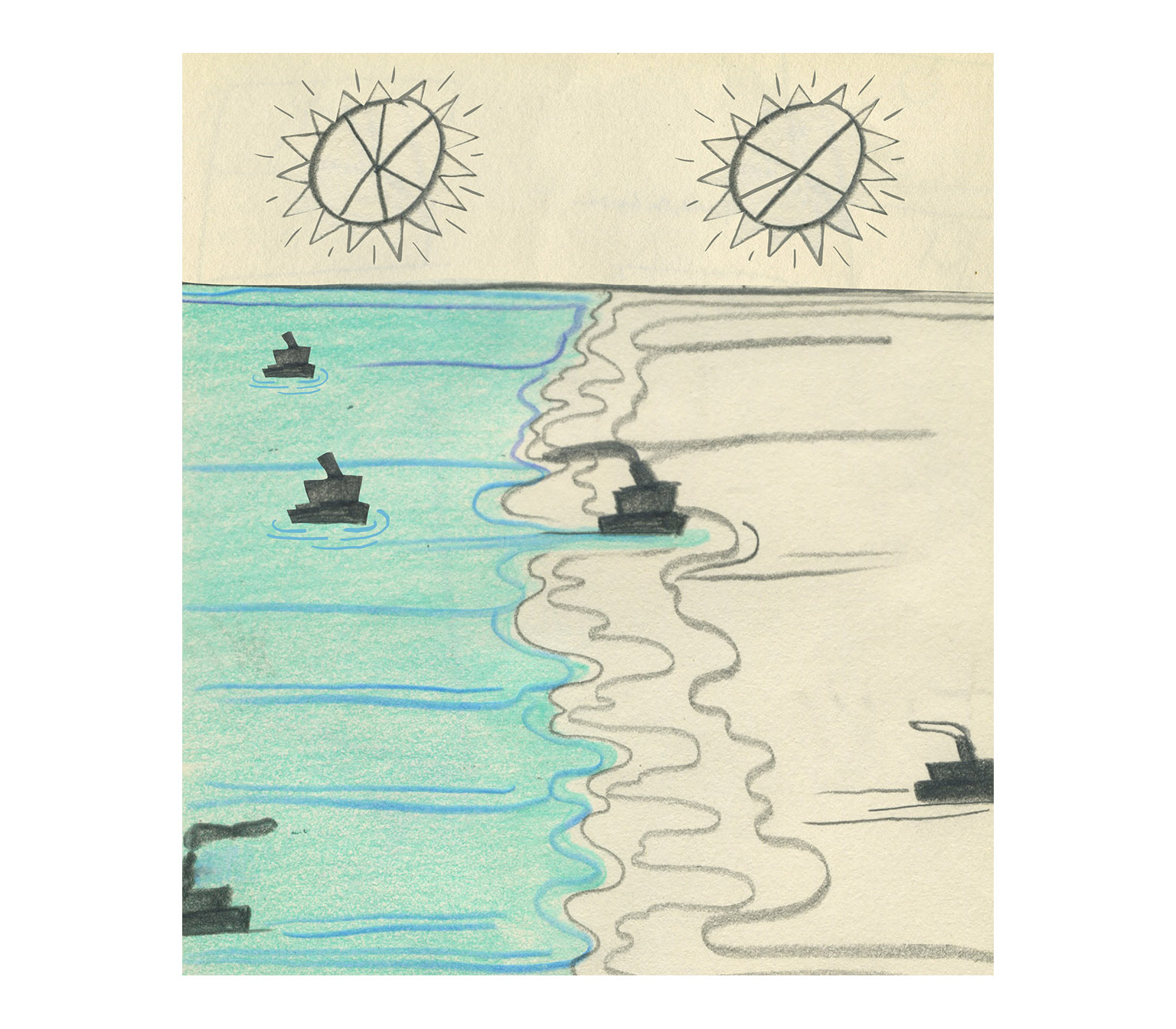
These two illustrations explore the uncertainty of today’s financial landscape through the imagery of winds, tides and ocean currents. 

As published in Le Monde Argent.

MY IDEA

Inspired by ancient nautical maps, the works transform economic and geopolitical forces into natural elements moving across the sea.

In old cartography, winds, skies and oceans were often inhabited by mysterious creatures, embodying the unknown that lay beyond the horizon. Drawing on this visual tradition, the illustrations evoke a world in constant motion, where invisible forces shape decisions and alter directions.

The sea becomes a metaphor for financial markets, while shifting currents suggest both risk and possibility. Through a symbolic and poetic approach, the images invite viewers to navigate complexity and embrace uncertainty.

Walking through the fog

Walking

through the fog

I created this image in a moment of confusion.

I thought that no one ever thinks about how many times an artist or a researcher runs into difficulty, in everyday life to preserve his/her intellectual freedom.

Whoever looks, observes the result of constant work of balance, tenacity and focusing.

And for balance, it is necessary to put one step after another. And this is the process, what allows growth.

Best wishes to everyone a happy holiday with a lots of rest.

Courrier International selected it to accompany an article focusing on Kigali: as climate change and rapid urban growth intensify flooding in Rwanda, the capital is working to restore its natural defenses.

Walking through the fog – digital collage

As published in Courrier International n°1845 and in the Courrier International Hors-Série, June–July 2026.

Actes Sud jeunesse | Naturoscope

Naturoscope

Actes Sud jeunesse

2025 – Actes Sud jeunesse (FR) Age 7+

Dedicated to the love for Nature, Naturoscope was conceived and written by Fleur Daugey. It consists of 25 infographics that describe various events or curiosities about Nature. 

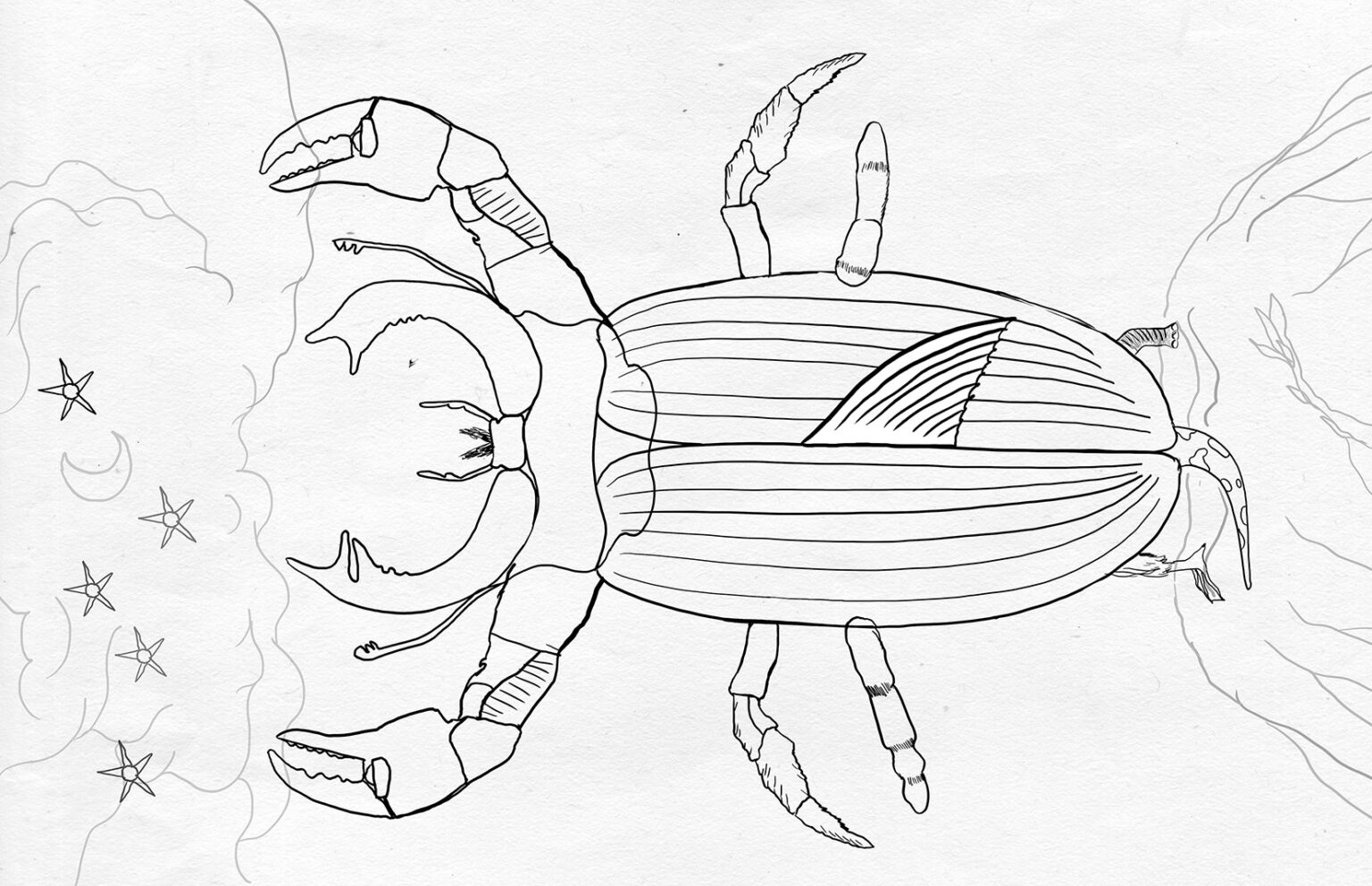
On the cover, you can see the chimera, of which I’m also attaching the draft. In the coming days, I will also share the story behind the creation of this book.


2026 | Naturoscope received the Prix Felipe.

2026 | On the occasion of Les Grands Yeux 2026, the documentary festival for young audiences (ages 7–17) held at La Gaîté Lyrique in Paris, large-format illustrations from Naturoscope were exhibited.

2025 | Naturoscope earned a Merit and an Honorable Mention in the 3×3 International Illustration Annual No. 22 for its illustrations and infographics, as well as being shortlisted for the HiiiBrand Illustration Competition.

PMOS: a momentous shift

PMOS

a momentous shift

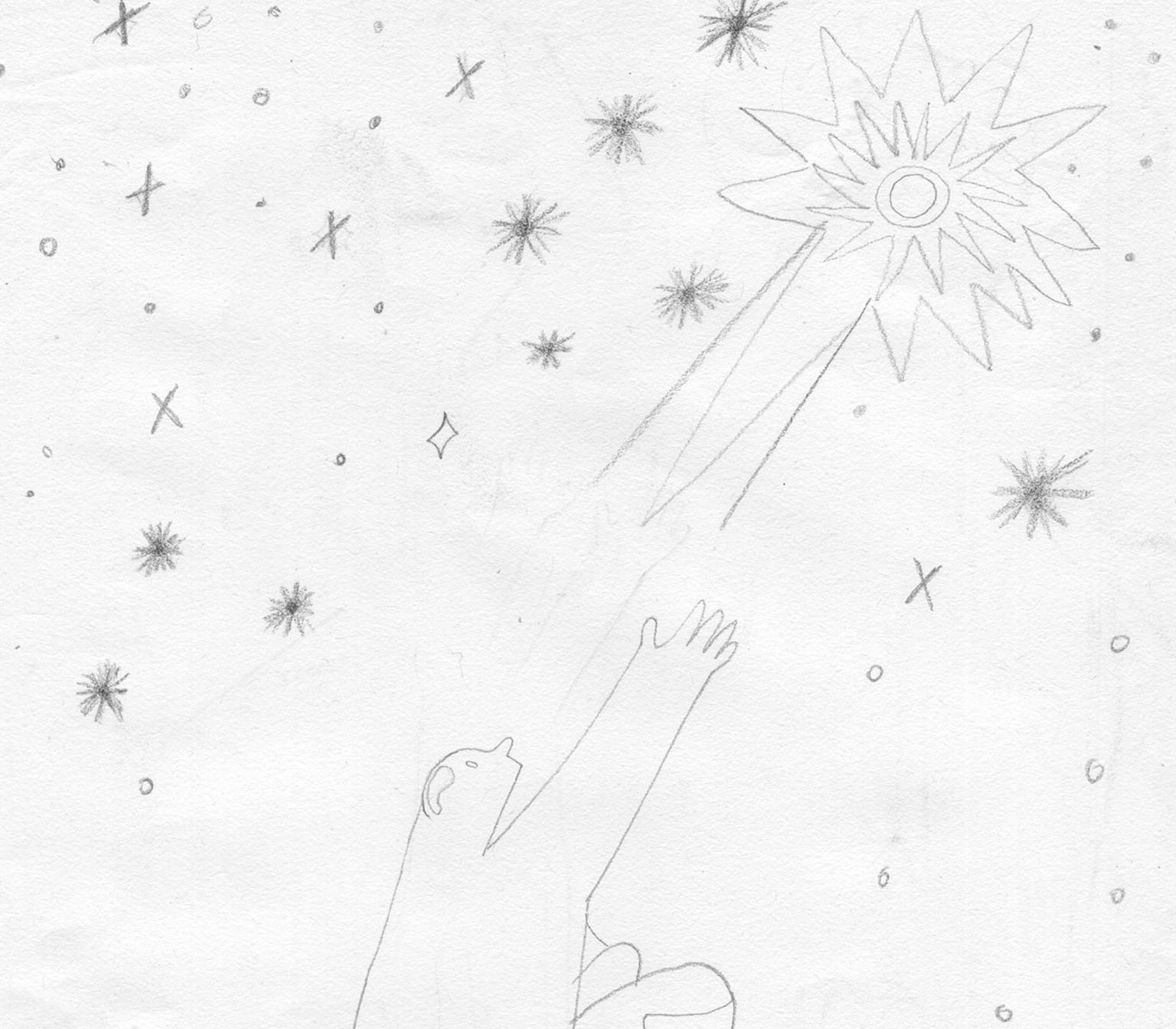
The illustration explores the recent renaming of PCOS into PMOS (polyendocrine metabolic ovarian syndrome), a shift that reflects a more accurate understanding of the condition and its systemic nature beyond the ovaries alone.

Rather than focusing on a strictly medical or explanatory approach, the work adopts a more symbolic and contemplative visual language.

The female body becomes a vast internal cosmos, where stars, deep space and subtle organic structures coexist. This inner universe suggests complexity, transformation and unseen processes that shape physical experience.

The illustration moves away from clinical imagery, seeking instead to open a space of interpretation where science and perception can overlap.

It reflects an interest in representing the body not as a fixed anatomical object, but as a living, shifting system of energies, memories and relations.

Through this lens, hormonal and metabolic conditions are not reduced to symptoms alone, but are situated within a broader, more layered understanding of embodiment.

The result is an image that balances scientific reference with a poetic and immersive visual dimension.

Digital Collage – Article by Alice Klein

As published in Internazionale.

WAMI – World Water Day 2026

Third Blue eye

WAMI

Water and gender equality are inseparably connected.

In many parts of the world, women and girls are still responsible for collecting water for their families. Every day they walk for kilometres to fetch it.
Time that could be spent on education and work.
Time that could become opportunity.
And women’s time must be freed.

For World Water Day 2026, WAMI asked me to reflect on this connection between water and social equality. Where water becomes accessible, the quality of life changes.

In the idea I developed, the presence of water becomes almost an inner understanding.
I did not want to create an image on this theme, which is very dear to me, including the condition of women in the world, that felt already seen. I made many sketches until I transformed a simple water drop into the third eye of the protagonist.

It was important for me to present the idea verbally, because it “answered back” to me twice on an inner level. When an idea feels powerful, it means I have researched it deeply.
This Third Eye opens a different, deeper awareness of the theme, and of the world and its relationships.

The Third Blue Eye | digital image 2026, as published on the WAMI IG page for International Water Day, March 2026

The image was also exhibited in my solo show “Magico Femminino”, which took place in Milan in March 2026. The image was officially presented for the exhibition in agreement with WAMI.

Internazionale | Science Section

INTERNAZIONALE

SCIENCE

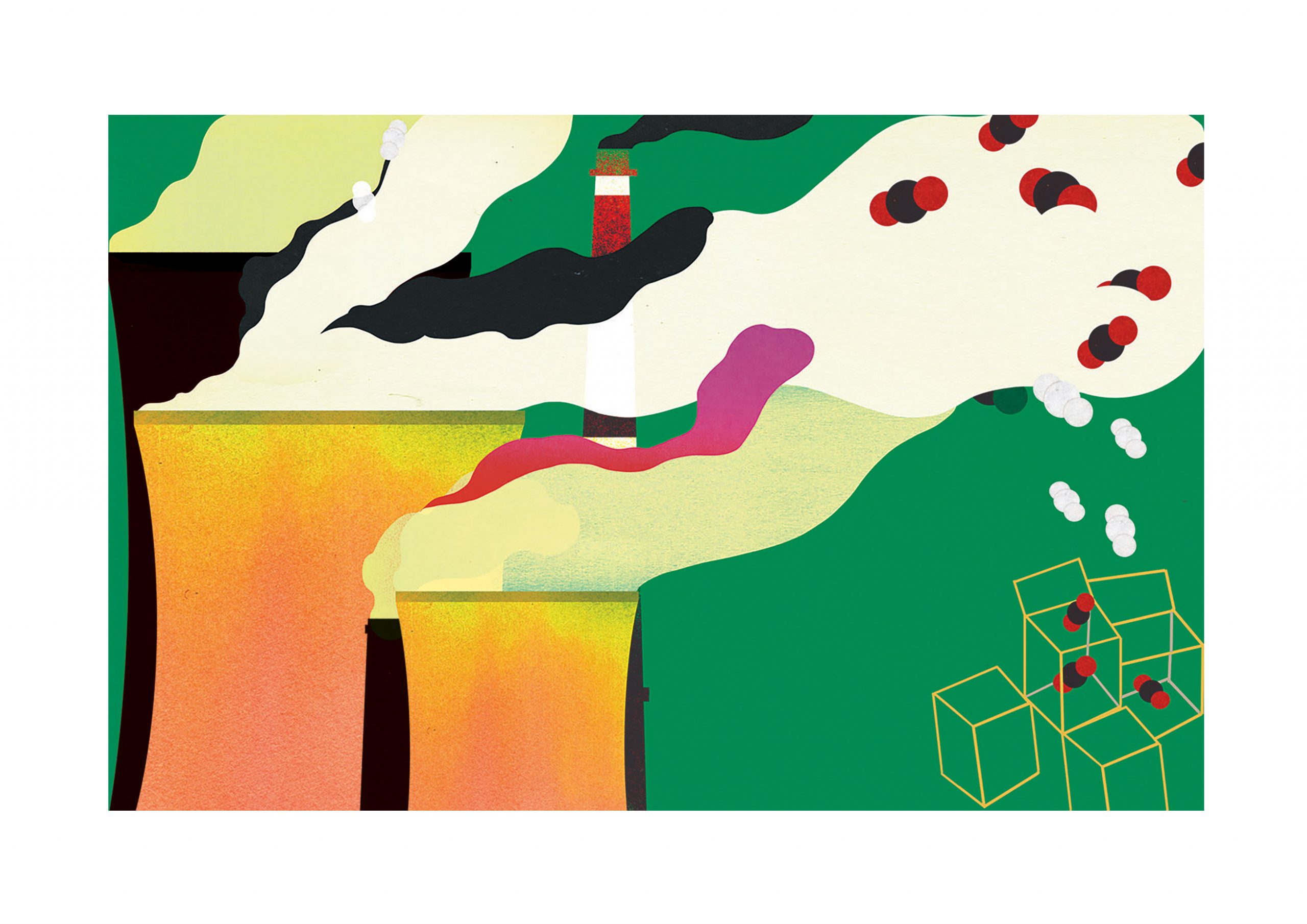
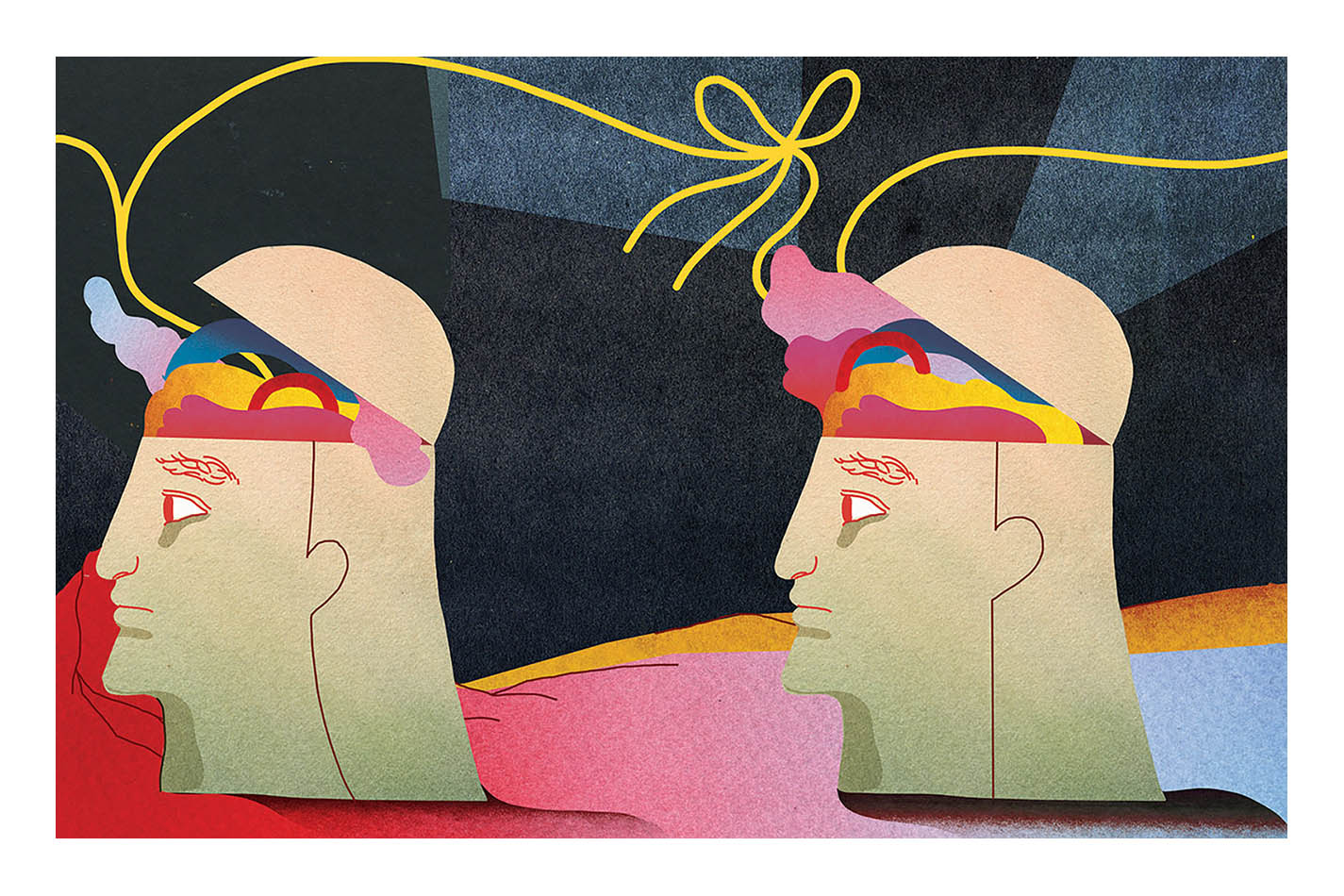
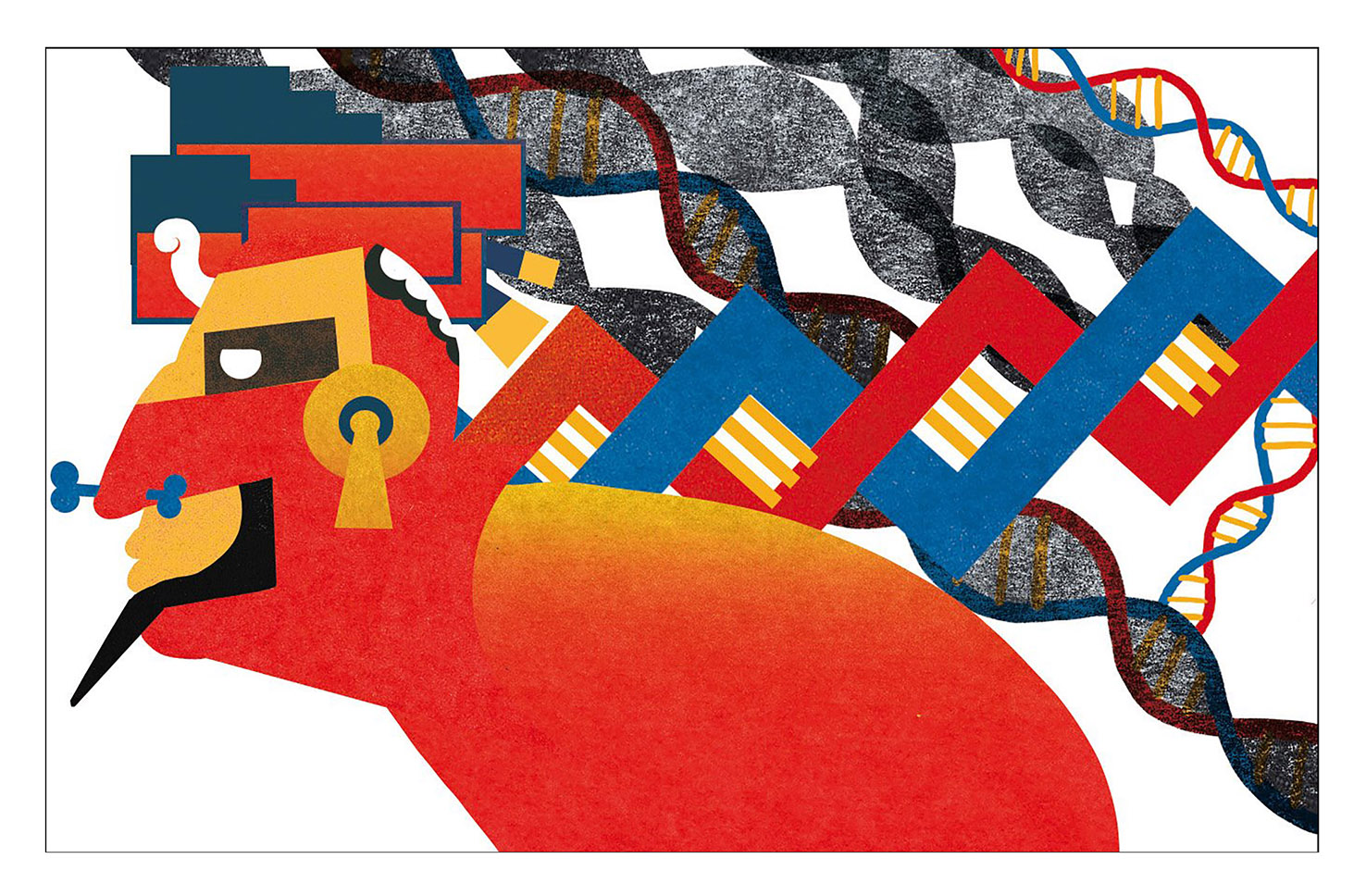
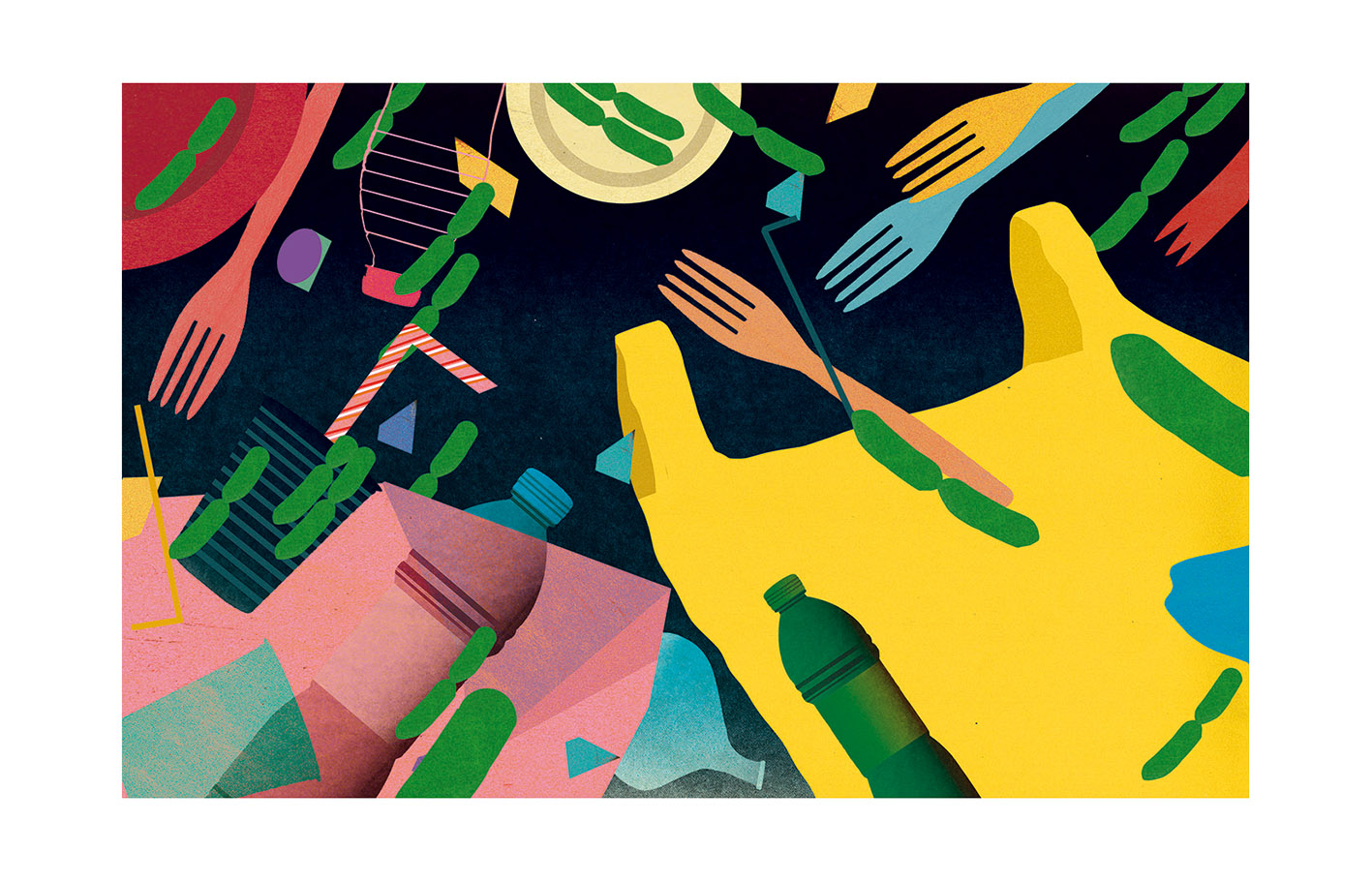
Illustrations on the topic of Science, as published in Internazionale.

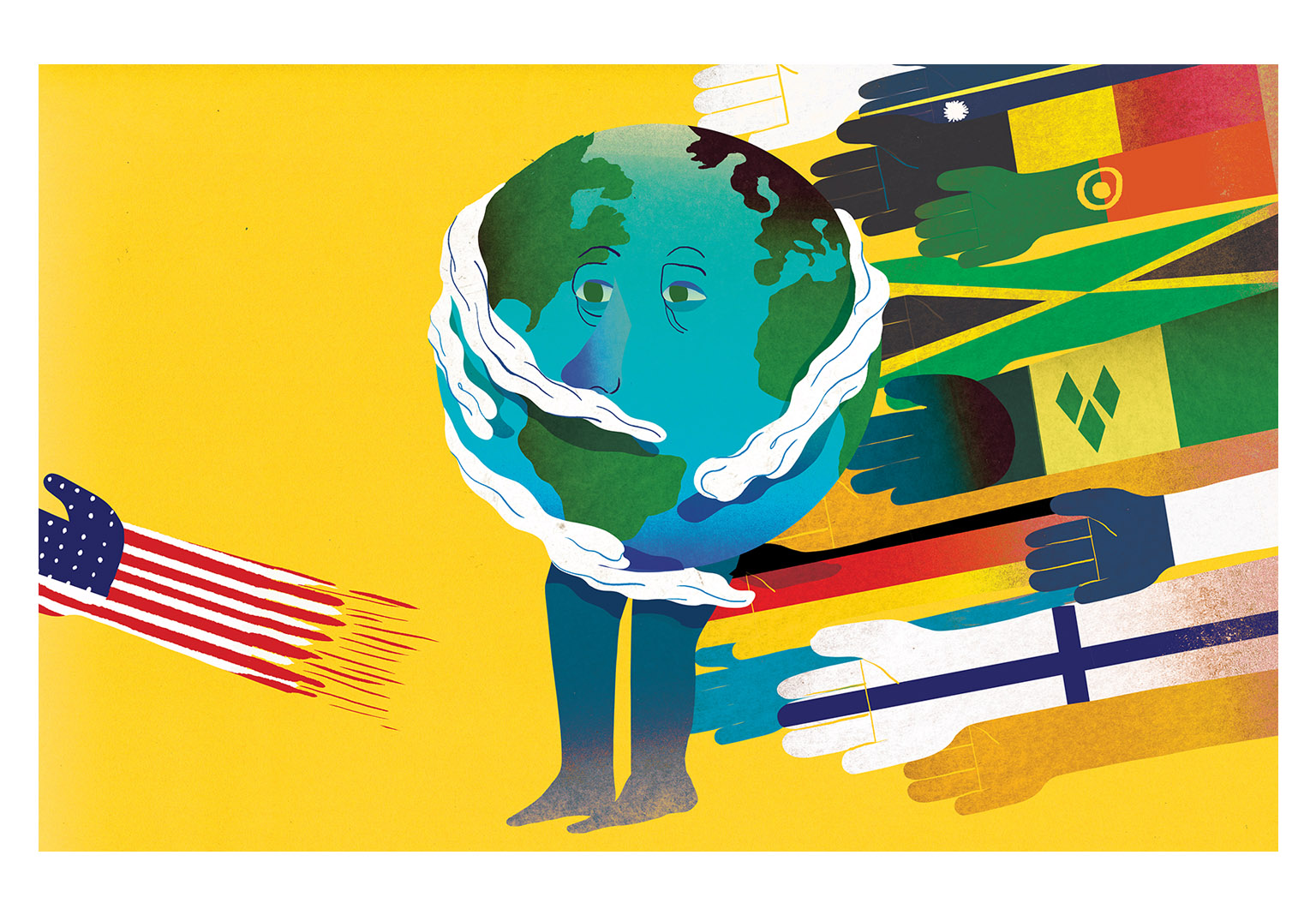
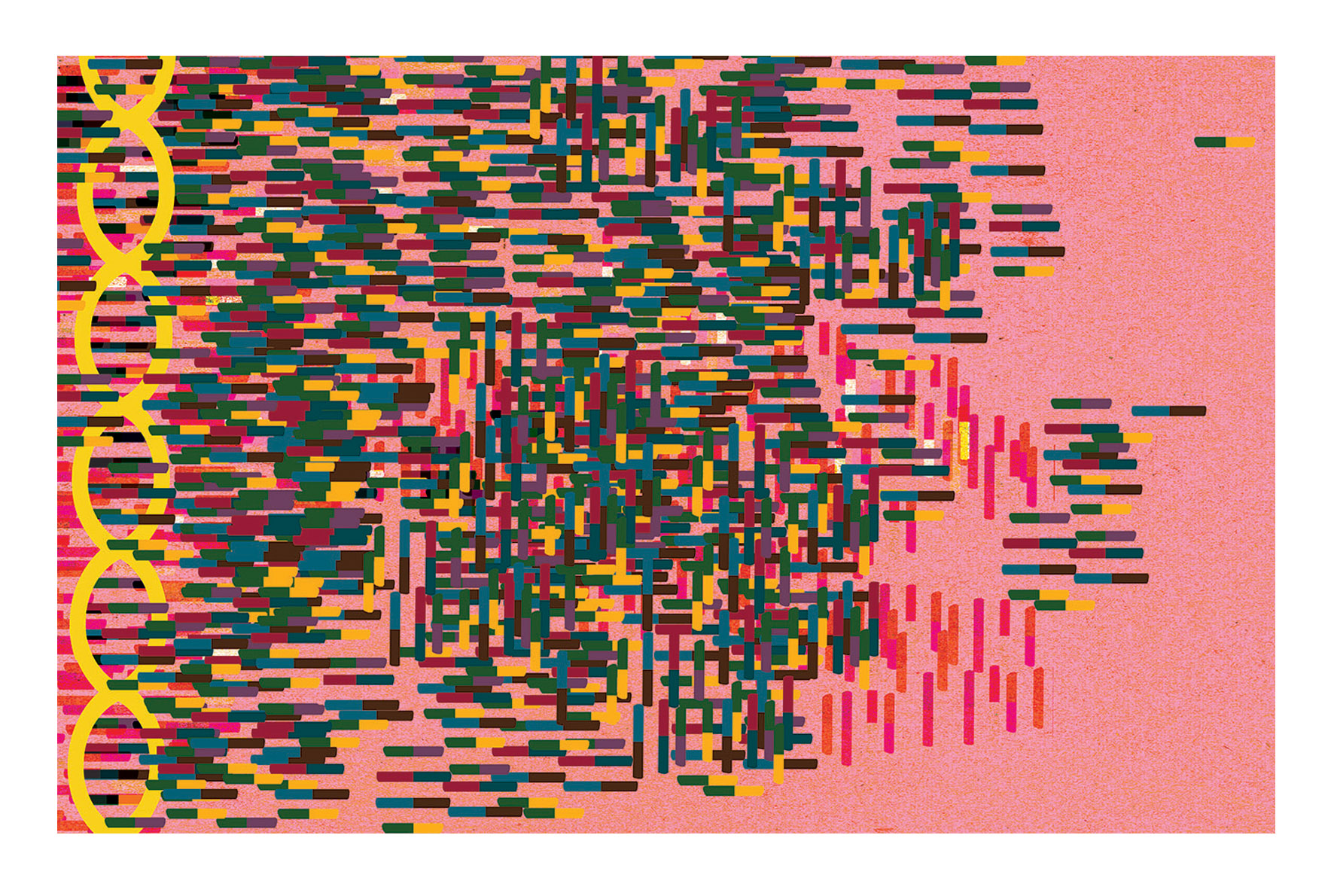
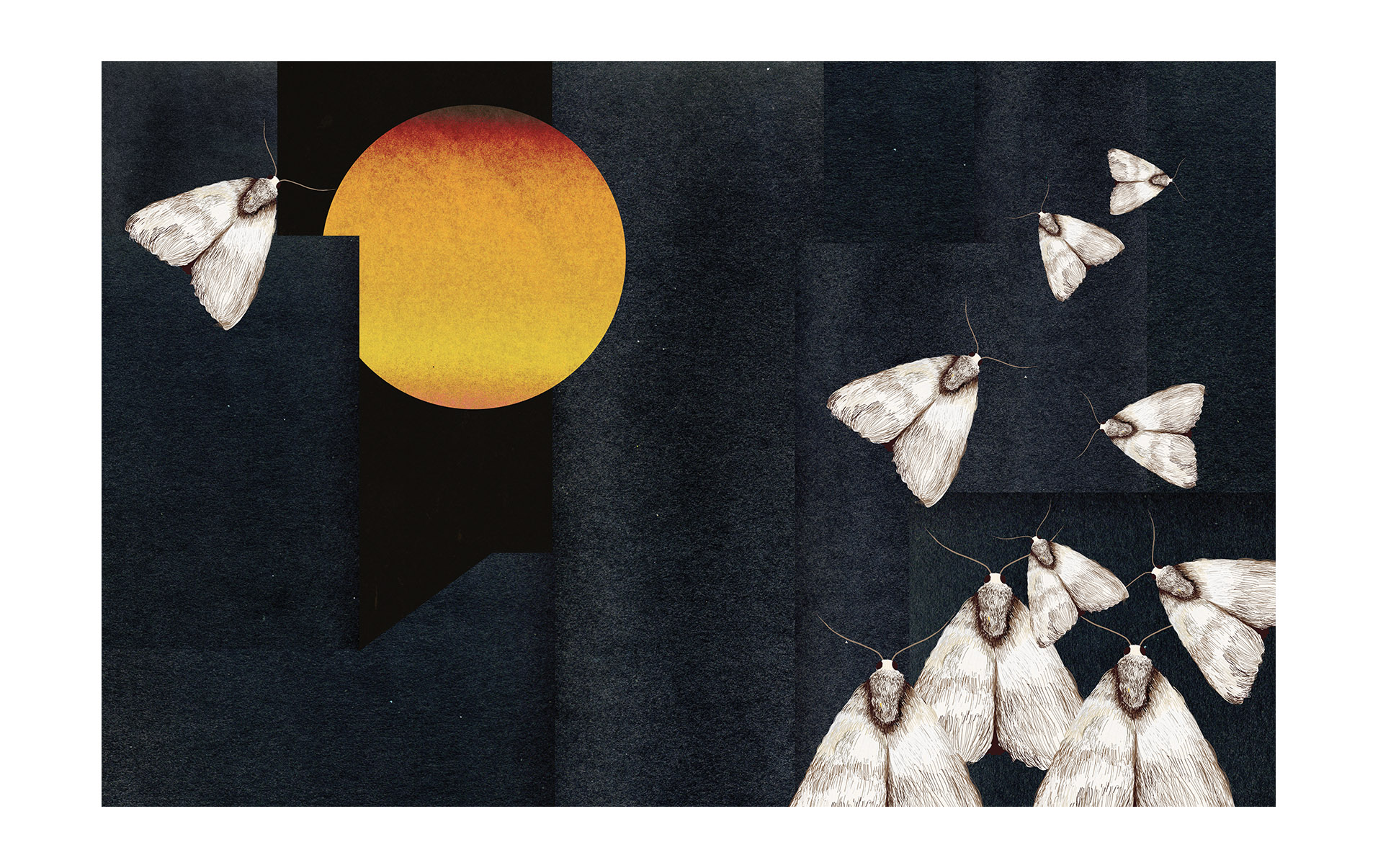
Landmark ancient-genome study shows surprise acceleration of human evolution

By Ewen Callaway

RNA strand that can almost self-replicate may be key to life’s origins.

by Michael Le Page

Yawning has an unexpected influence on the fluid inside your brain

By James Woodford

Autism may exist in multiple genetically distinct forms, with traits and expressions varying according to the age at which it is diagnosed.

by Michael Marshall

China has rapidly increased its interest in Antarctica over the past decade.

by Xiaoying You

Is being bilingual good for your brain?
Perhaps. Learning languages offers other, more concrete benefits.

from the Economist

Quarter of people follow rules even with no downside to breaking them

by Helen Thomson

Why Weather Forecasts Are Poised to Improve Dramatically Right Now. 

By Benjamin von Brackel

Trump has withdrawn the US from the Paris Agreement. Here’s why that’s not such a bad thing.

by Laura Hood

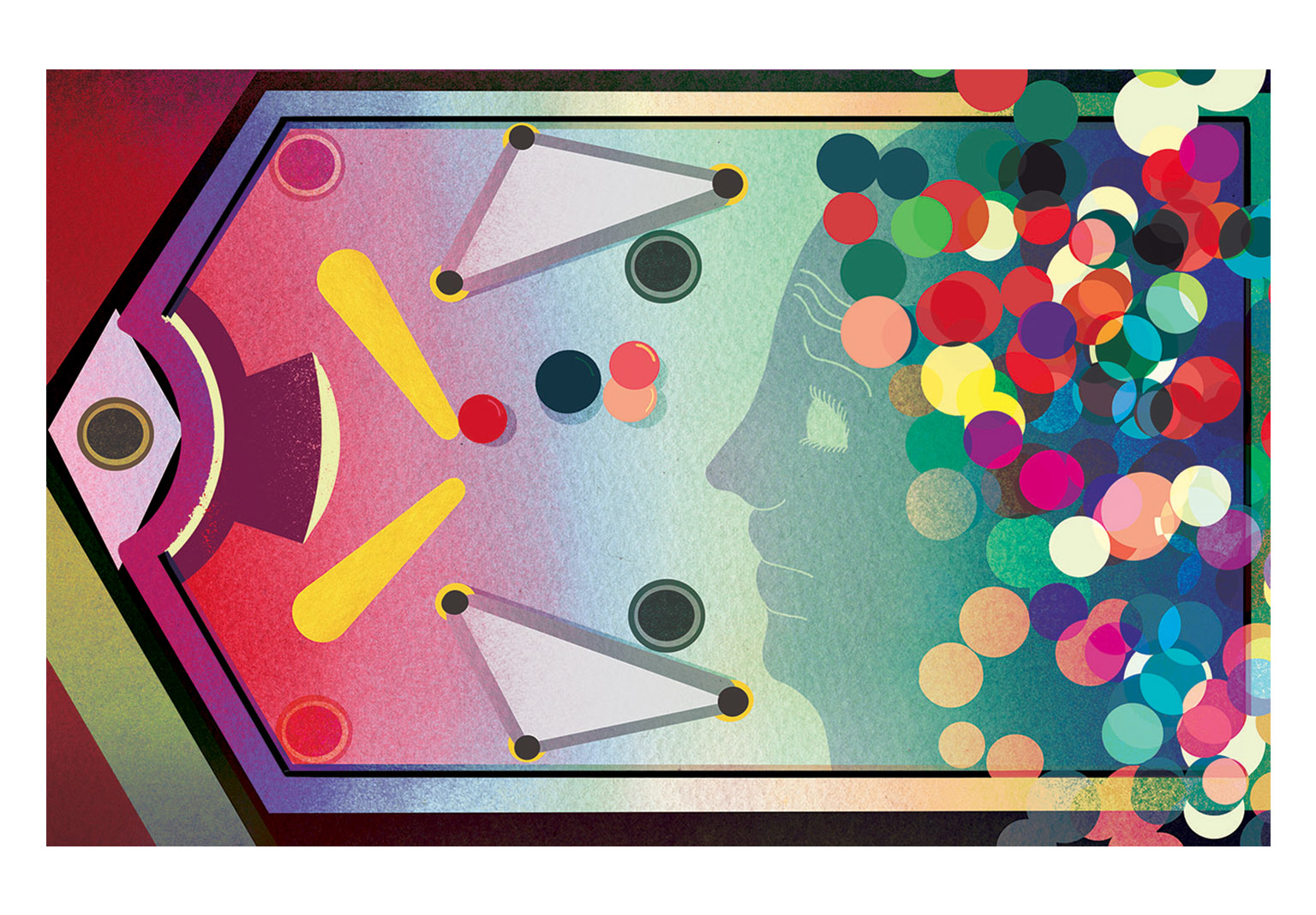
Researchers are questioning if ADHD should be seen as a disorder.

«It is “LIKE being inside a pinball machine with a hundred balls” says Lucy.»

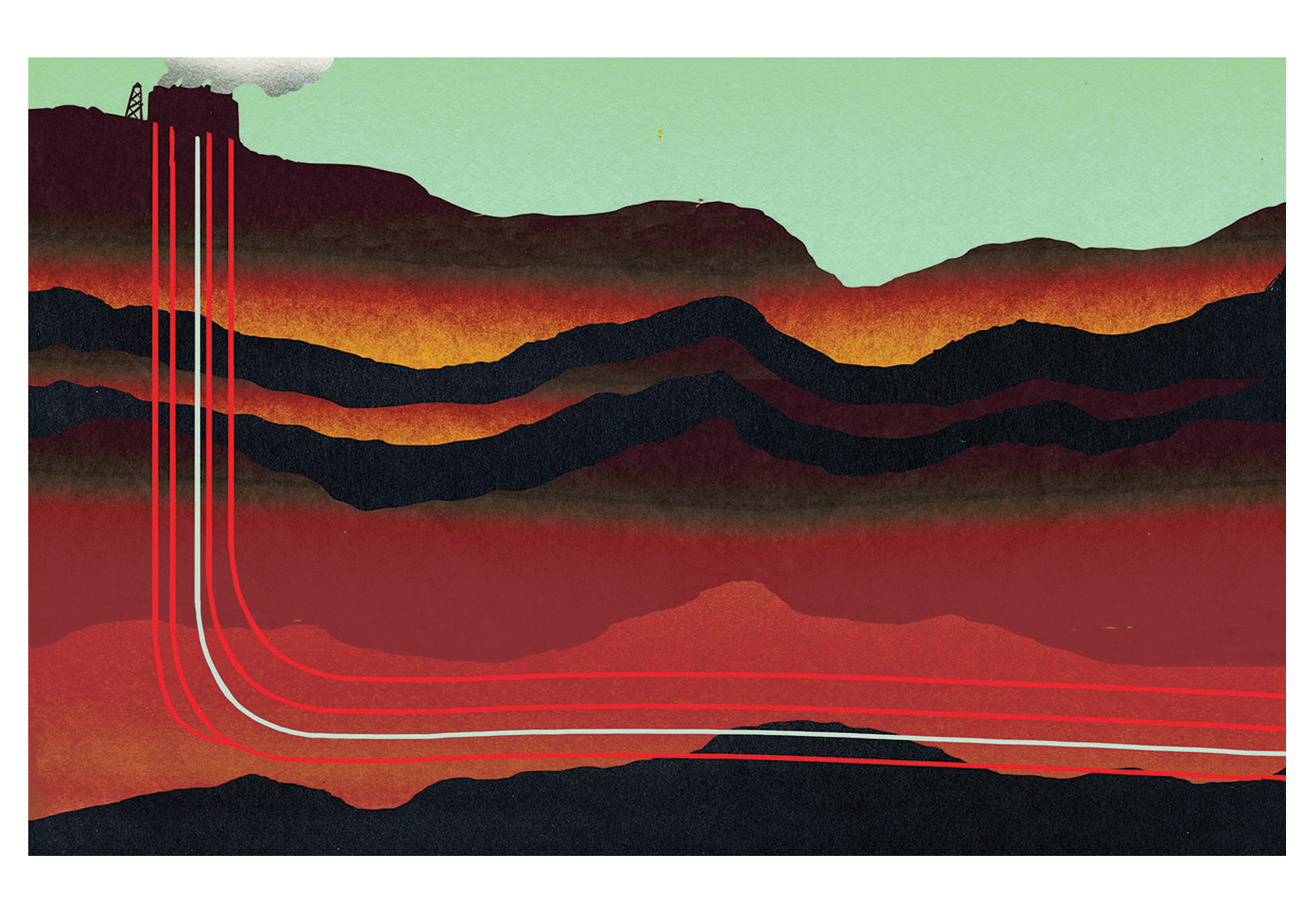
Geothermal power is vying to be a major player in the world’s clean-energy future 

Here is the article as published in Internazionale

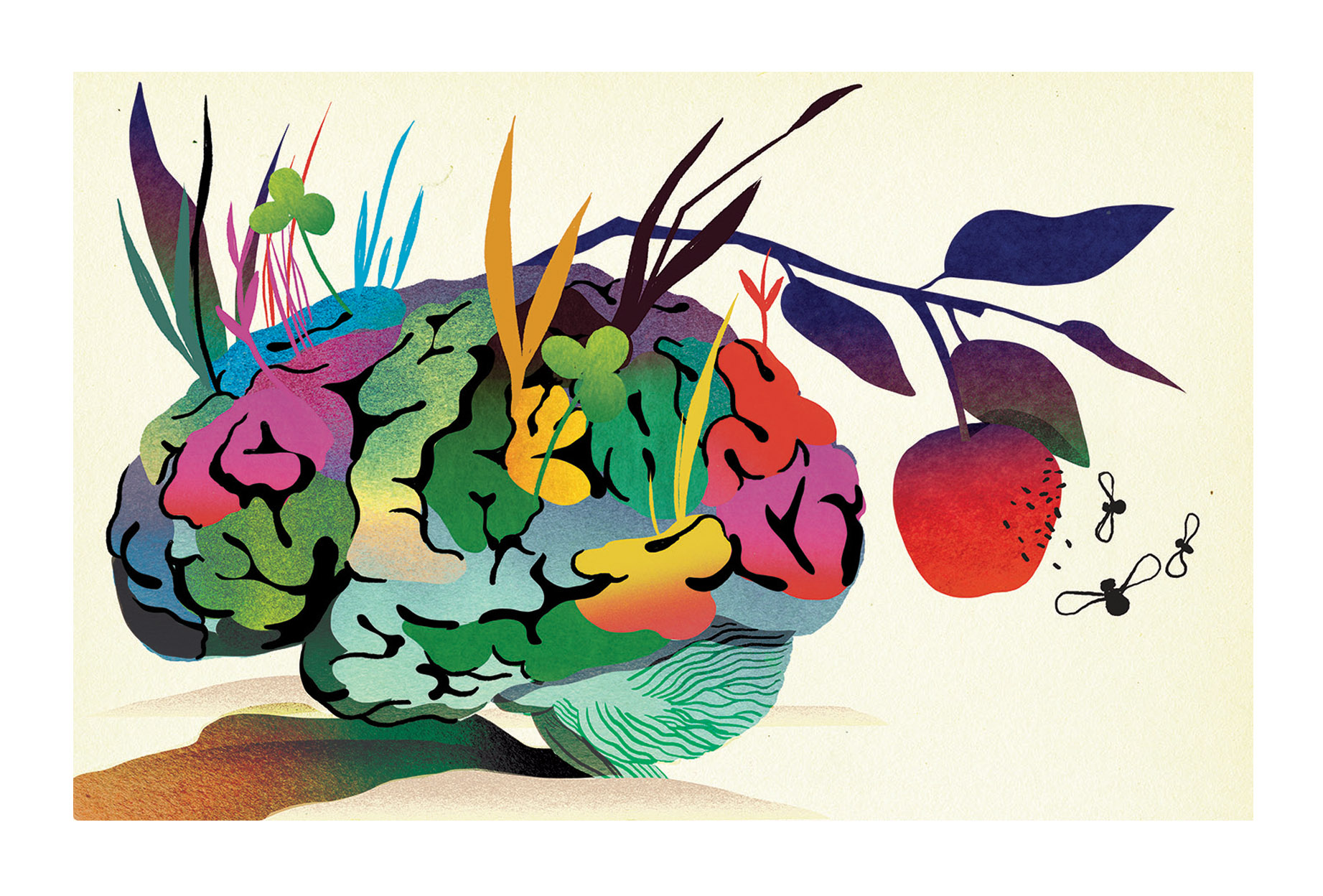
A big advance in mapping the structure of the brain
After larval fruit-flies’, more complex brains are next.

Scientists make artificial human embryos without sperm or egg through these lab-grown embryos.

by Tibi Puiu

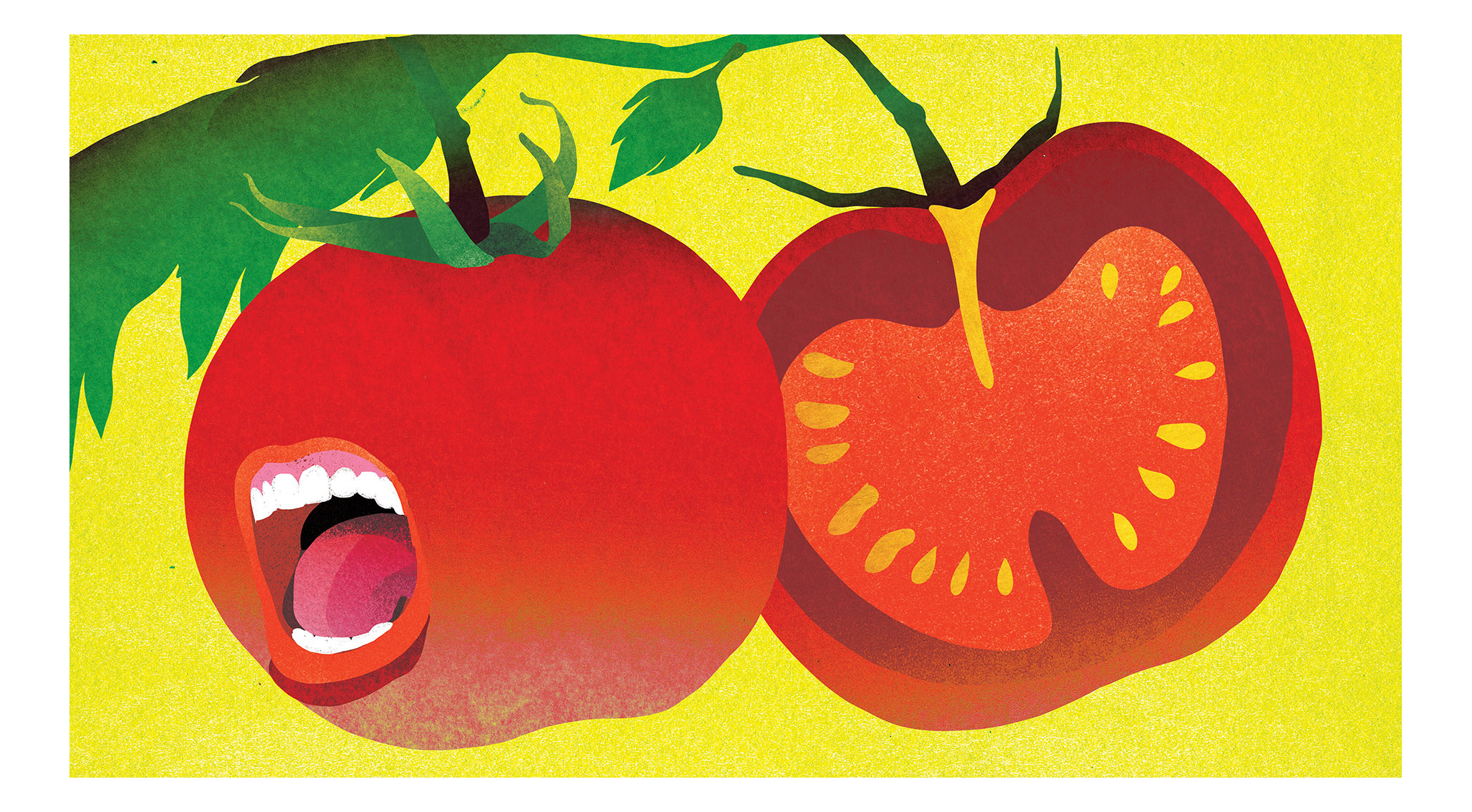
Attention plant killers: new research shows your plants could be silently screaming at you. by Alice Hayward

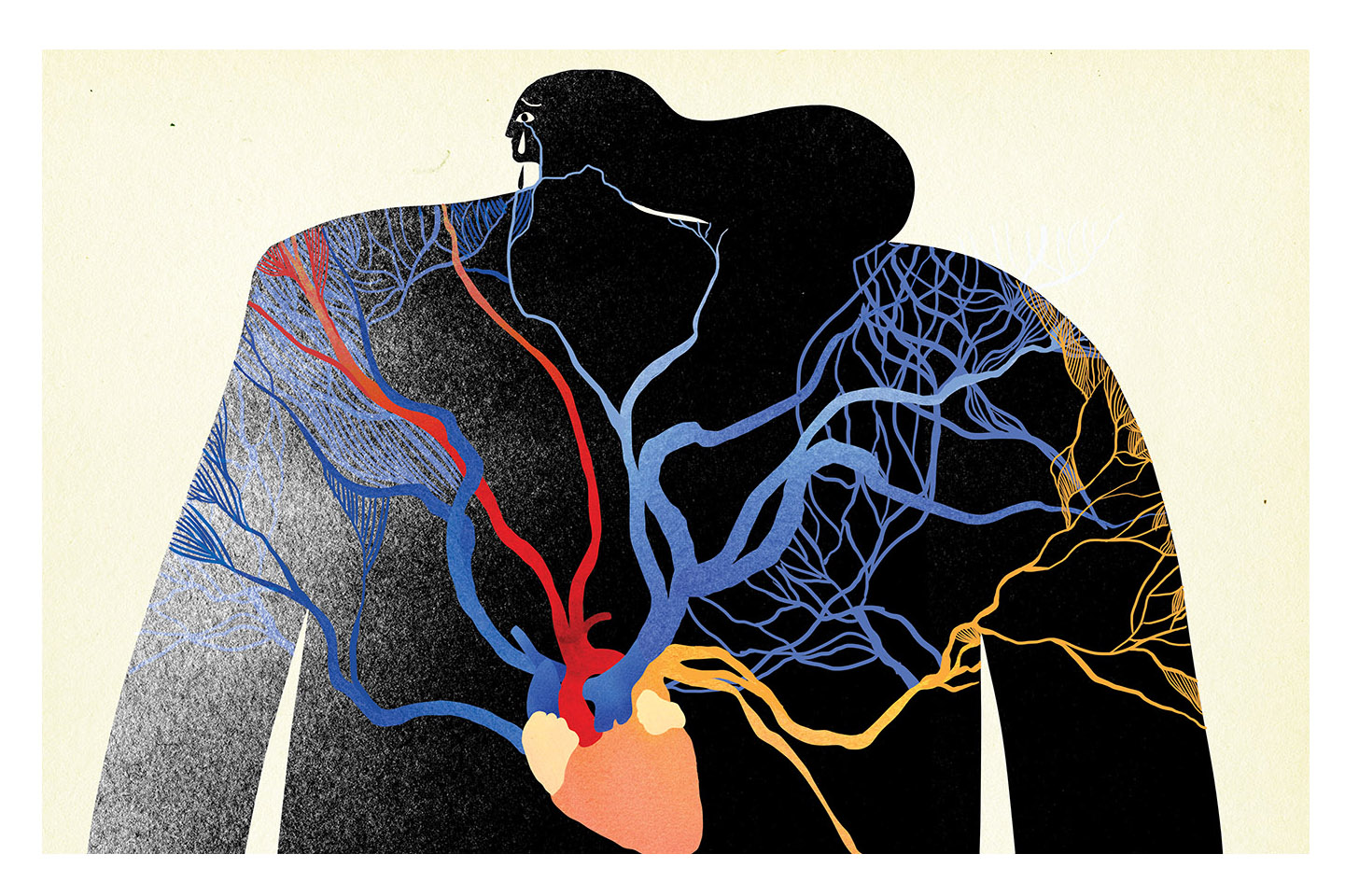
Why emotions can feel so painful  and what it means for painkillers.

by Helen Thomson

Sequencing projects will screen 200,000 newborns for disease genes.

By Jocelyn Kaiser

Psychedelics: how they act on the brain to relieve depression.

by Clare Tweedy

Has the pandemic changed our personalities? New research suggests we’re less open, agreeable and conscientious.

by Jolanta Burke

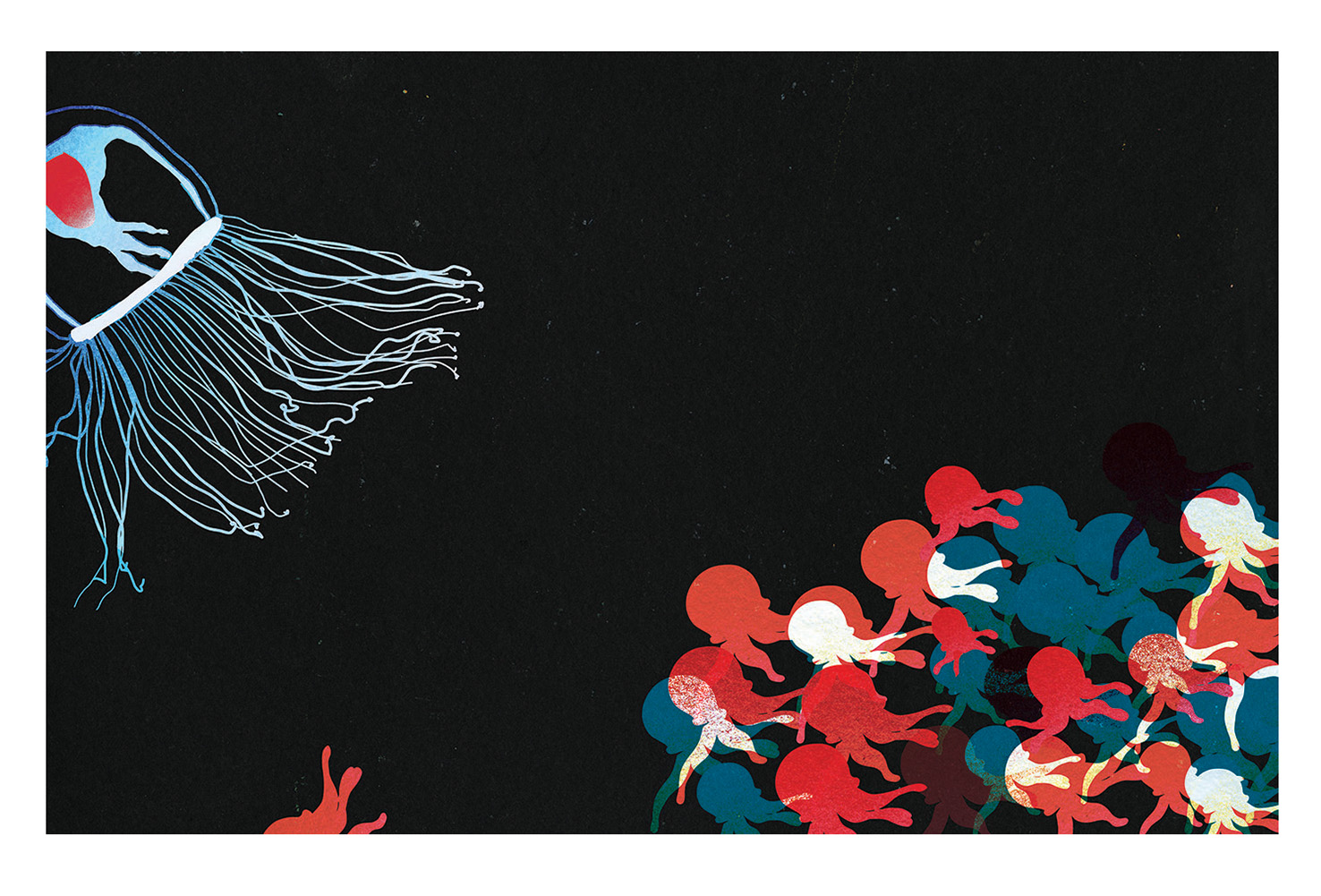
The genes of a jellyfish show how to live forever.
The problem is that it requires a complete bodily metamorphosis.

People with endometriosis and PCOS wait years for a diagnosis – attitudes to women’s pain may be to blame.

By Anne-Marie Boylan, Annalise Weckesser and Sharon Dixon

Iceland targets herd immunity with controversial covid-19 strategy.
Many countries have scaled back their coronavirus restrictions, but Iceland is going further with a plan to let infections spread.

By Clare Wilson

We Accidentally Solved the Flu. Now What?

By Jacob Stern

Coming off antidepressants risks relapse, but so does staying on them.

By Clare Wilson

City-wide quantum data network in China is the largest ever built.

by Matthew Sparkes

From jet fuel to clothes, microbes can help us recycle carbon dioxide into everyday products.

by Jamin Wood, Bernardino Virdis, Shihu Hu

Group-think: what it is and how to avoid it.

by Colin Fisher

People from Mexico show stunning amount of genetic diversity.

by Lizzie Wade

Microplastics in household dust could promote antibiotic resistance Polyester and nylon seem to be common sources.

Sexual Attraction Is the Oldest Story on Earth when one cell drifts by another cell, pheromones fly.

by Ilana E. Strauss

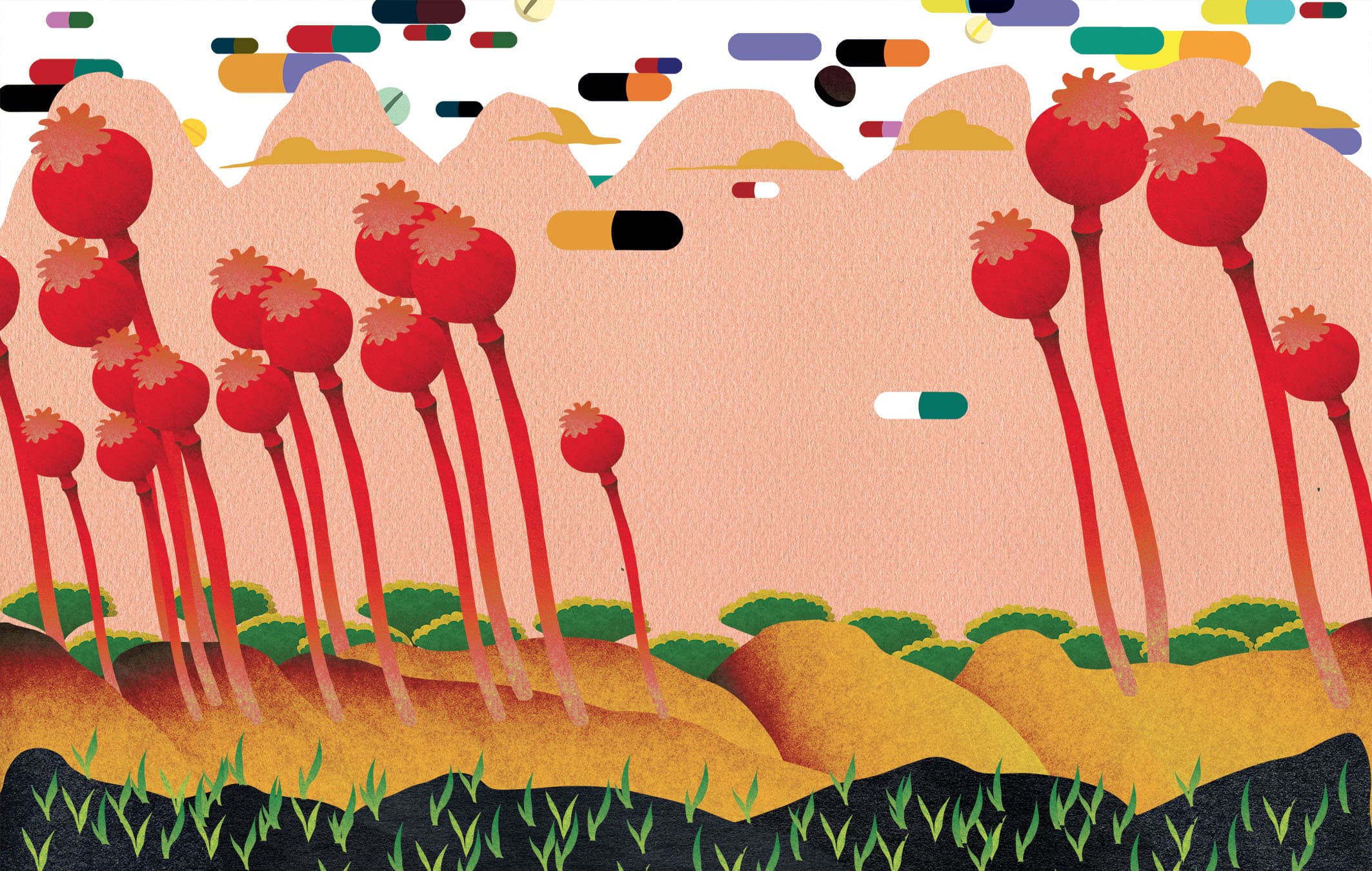
Record $8 billion payout won’t turn back the clock on US opioid crisis.

by Clare Wilson

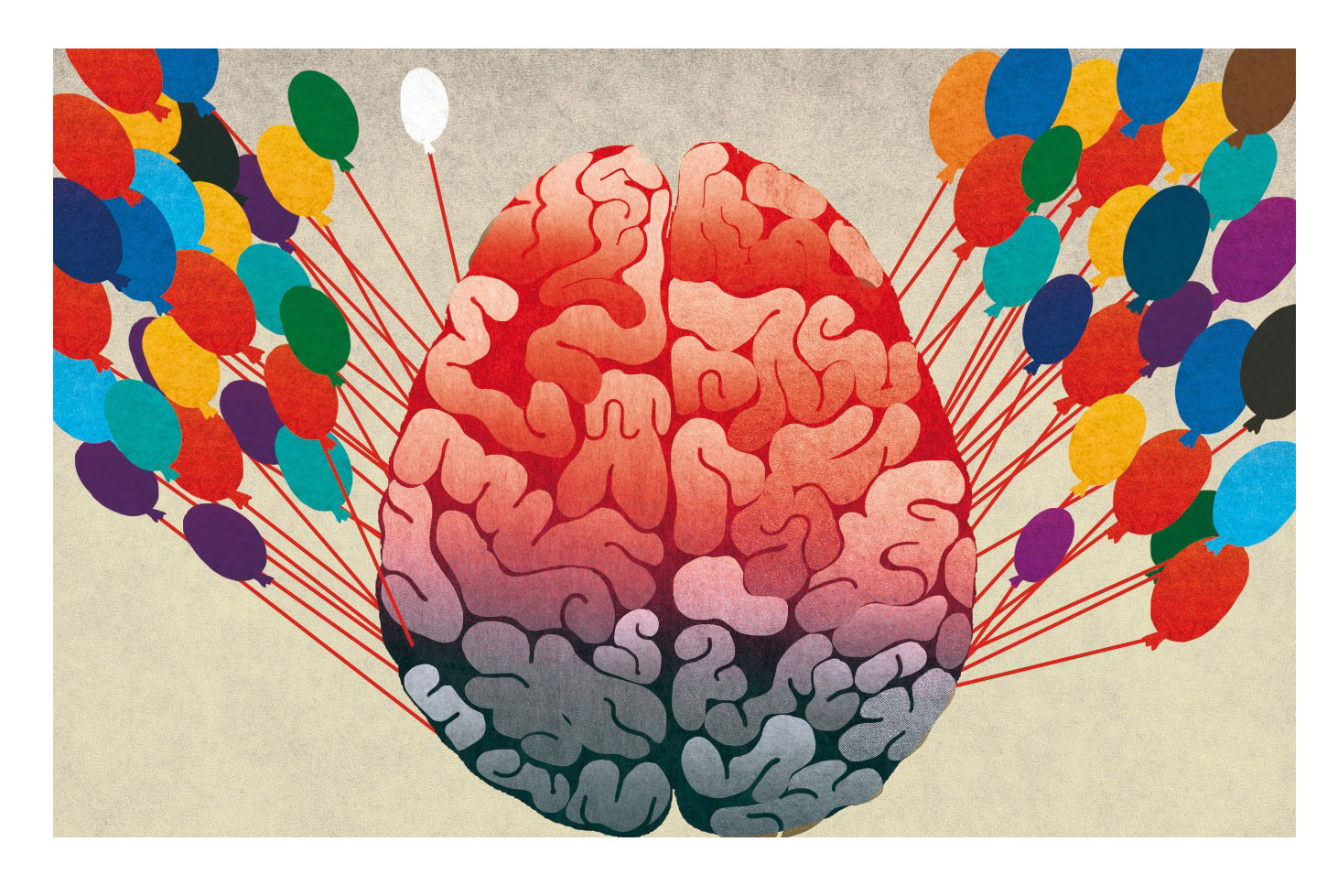
Brain baloney has no place in the classroom.

by Pete Etchells

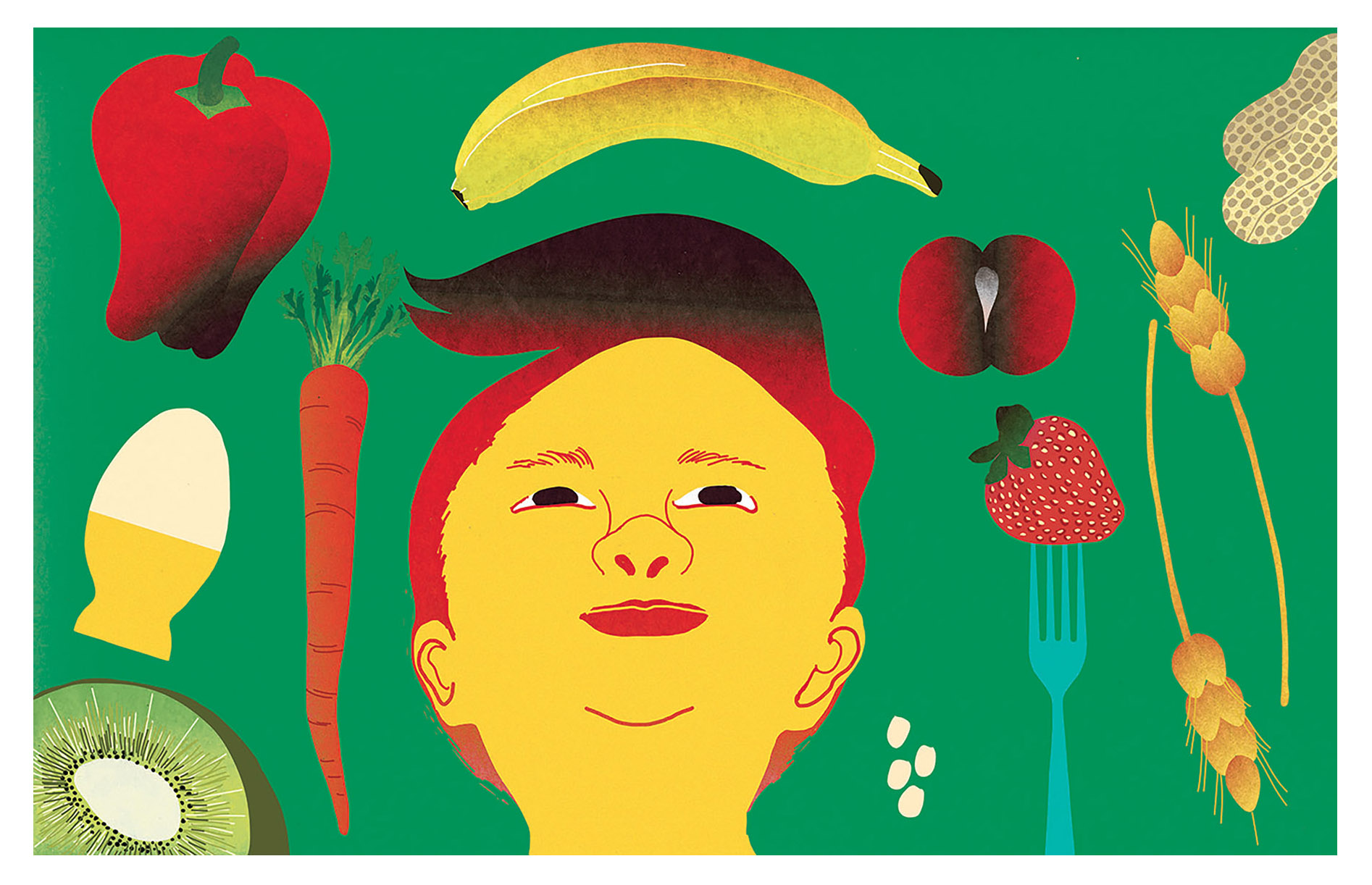
Food allergies may be on the rise because babies start solids too late.
Giving babies potentially allergenic foods early on, may reduce the risk of allergies – but many parents don’t, as that conflicts with advice to breastfeed until six months.

by Clare Wilson

Some fish are still full of mercury, for a worrying reason. 

by Ed Yong

Browsing deer affect how a forest sounds.
Changes in the auditory environment as a result of herbivory, could influence how animals communicate, and may have implications for sound-based monitoring of species.

by Jeff Akst

The loneliest stars in the galaxy – certain stars have a history distinct from all the others around them.

by Marina Koren


to purchase go here

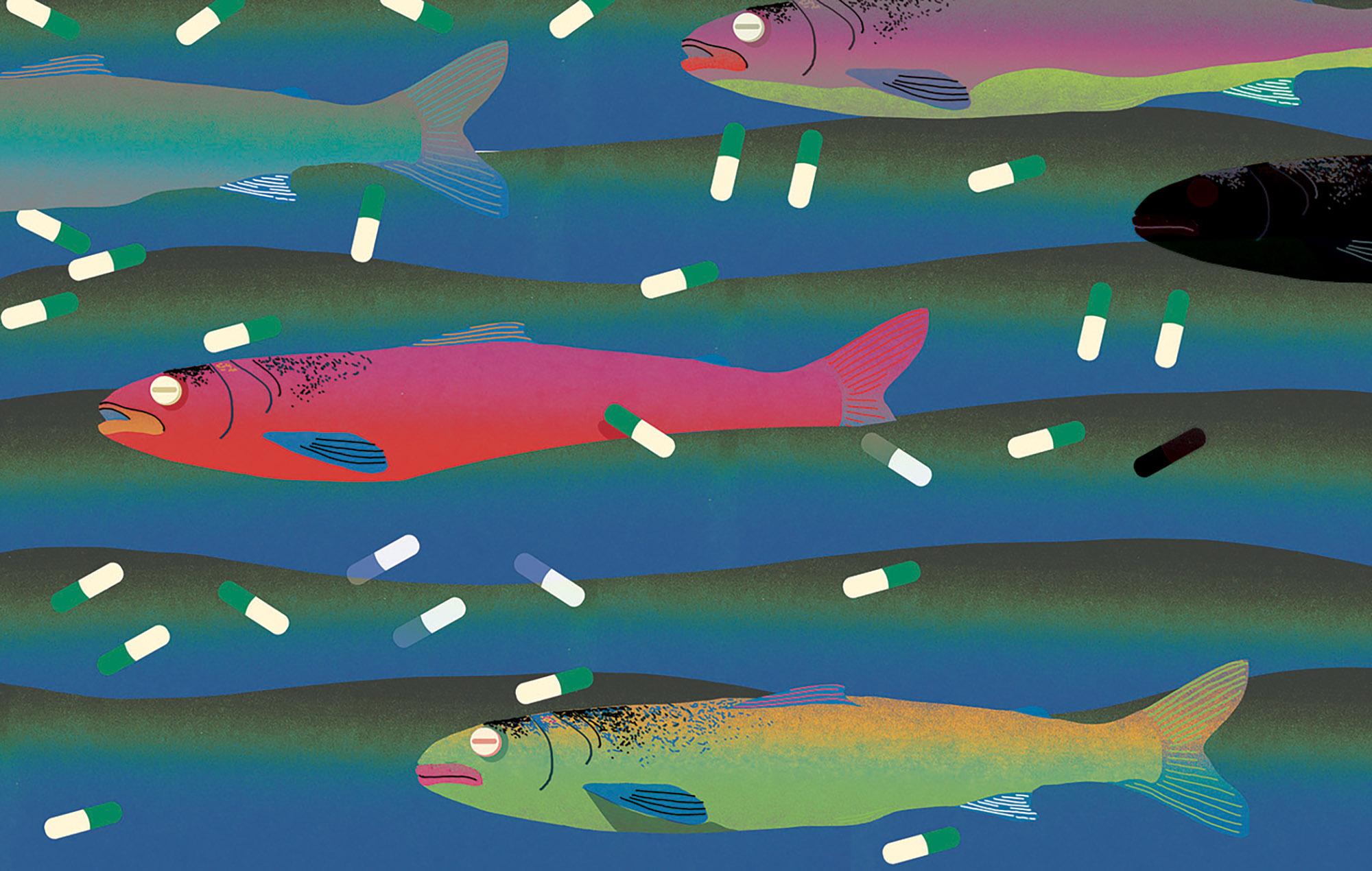
Human drugs are polluting the water  – and animals are swimming in it.

 by Rebecca Giggs

Schrödinger’s cat and quantum mechanics.

Natural selection may help account for Dutch height advantage.

by Carl Zimmer

Mothers of Lineage #02

The Matriarchs

Mothers of Lineage #02

Ongoing project

In my inner world, the Matriarchs are the Mothers — the origin of a lineage that unfolds through each figure.

They are the Great Mothers, holding a powerful dimension of the Feminine:
archetypes and metaphors of something vast and deeply rooted, something that moves through all of us.

The first studies appear here alongside some of the earliest illustrated Matriarchs, tracing the beginning of this visual research.

From the first Matriarch, the others emerged. Each one is connected to her, carrying forward the same lineage.

The works presented here are process sketches from an ongoing body of research.
The silkscreen print on original collage shown is Matriarch No. 5, printed in 5 copies.

Every copy is unique.

For purchases and enquiries, please write to me at chiara@chiaradattola.com

Maize mag | HI and AI

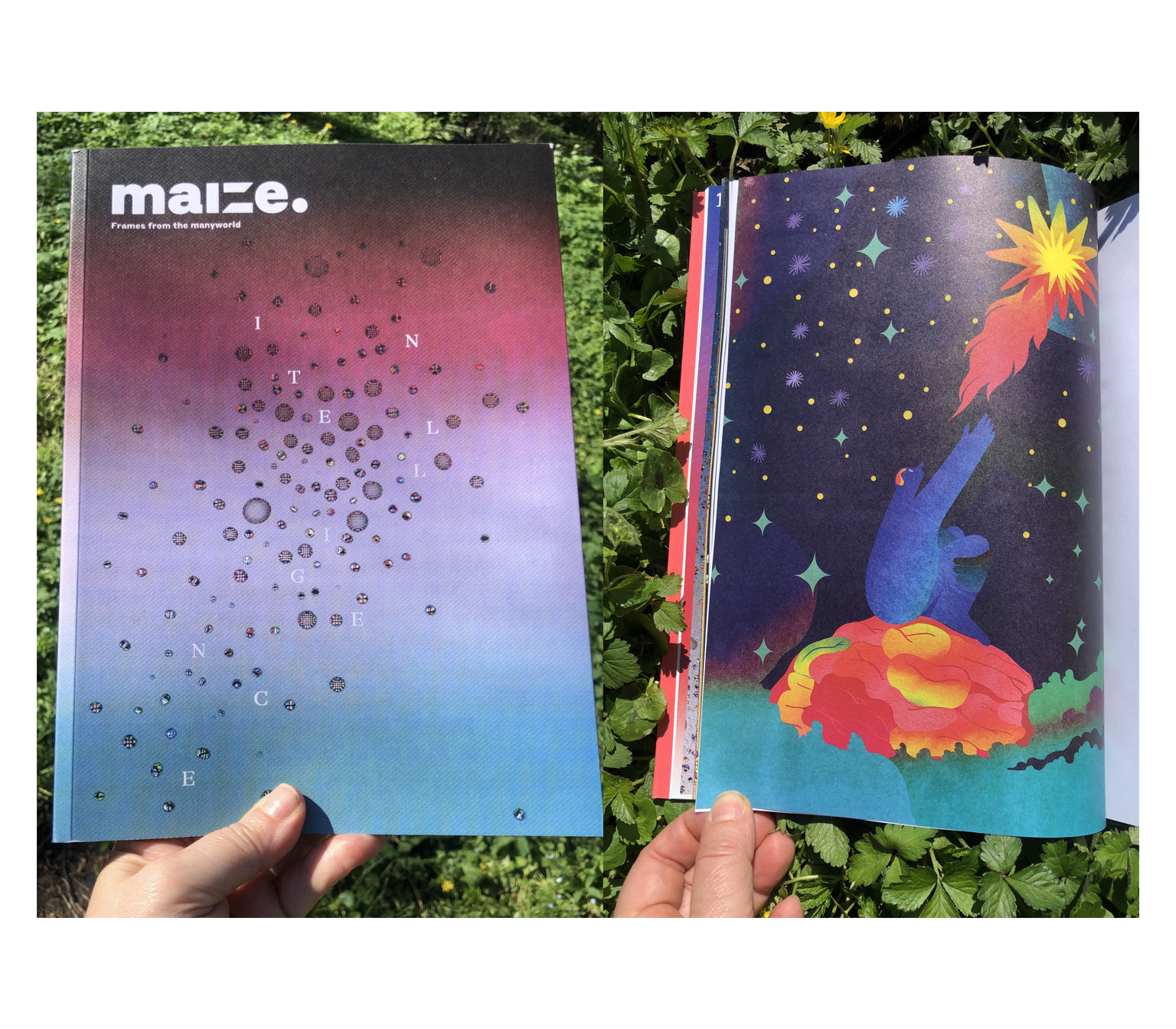
INTELLIGENCE

Maize mag

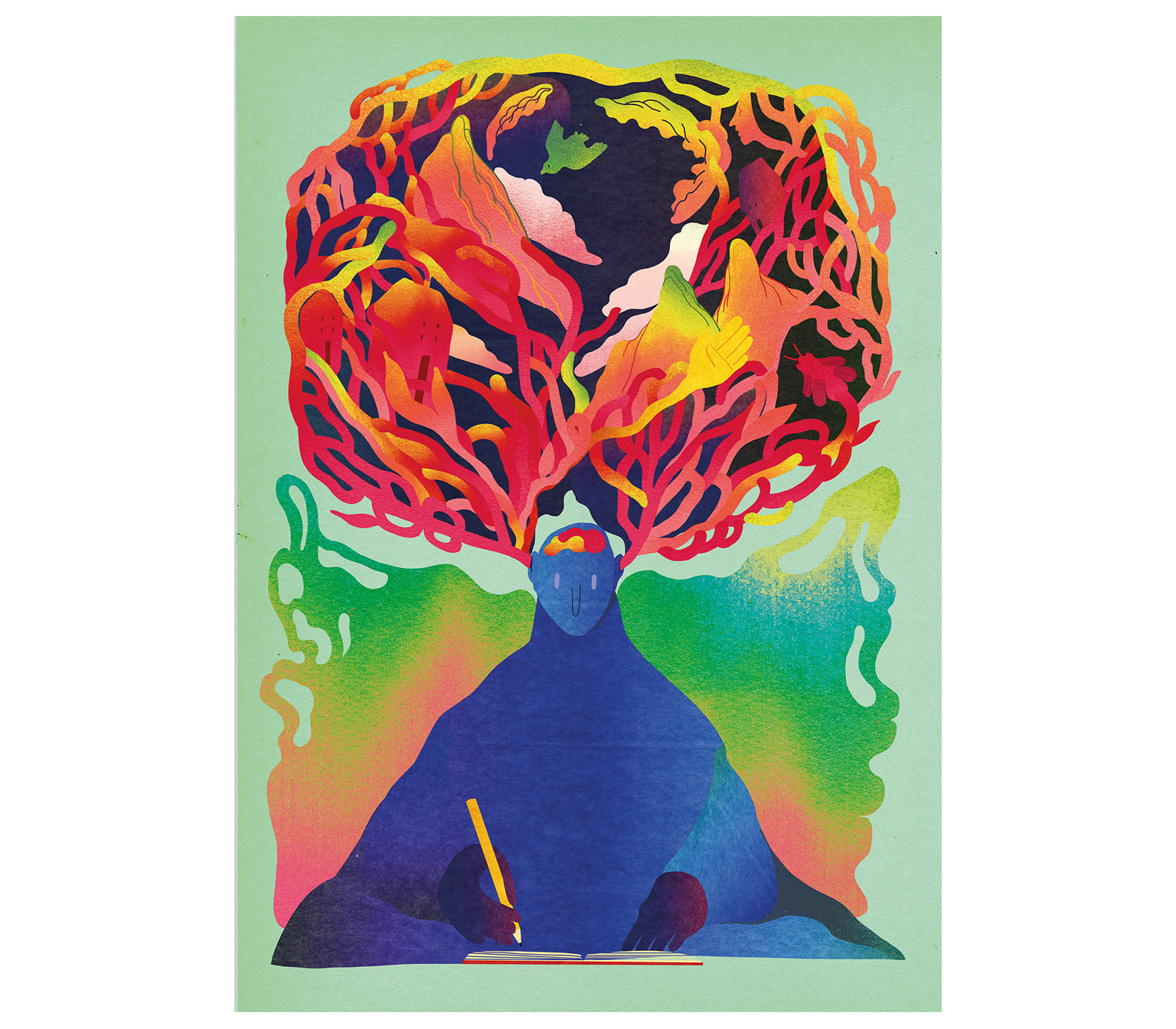
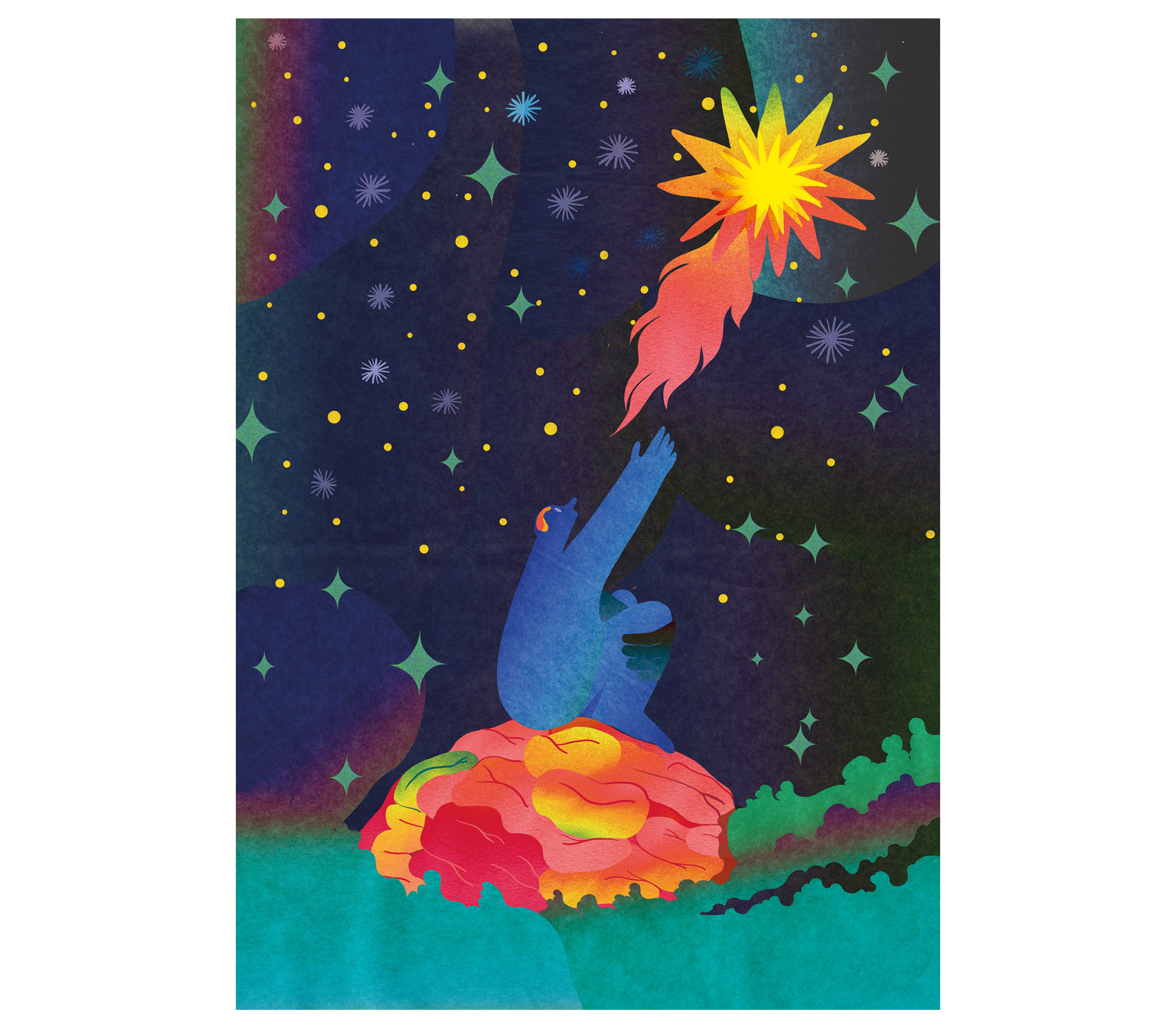
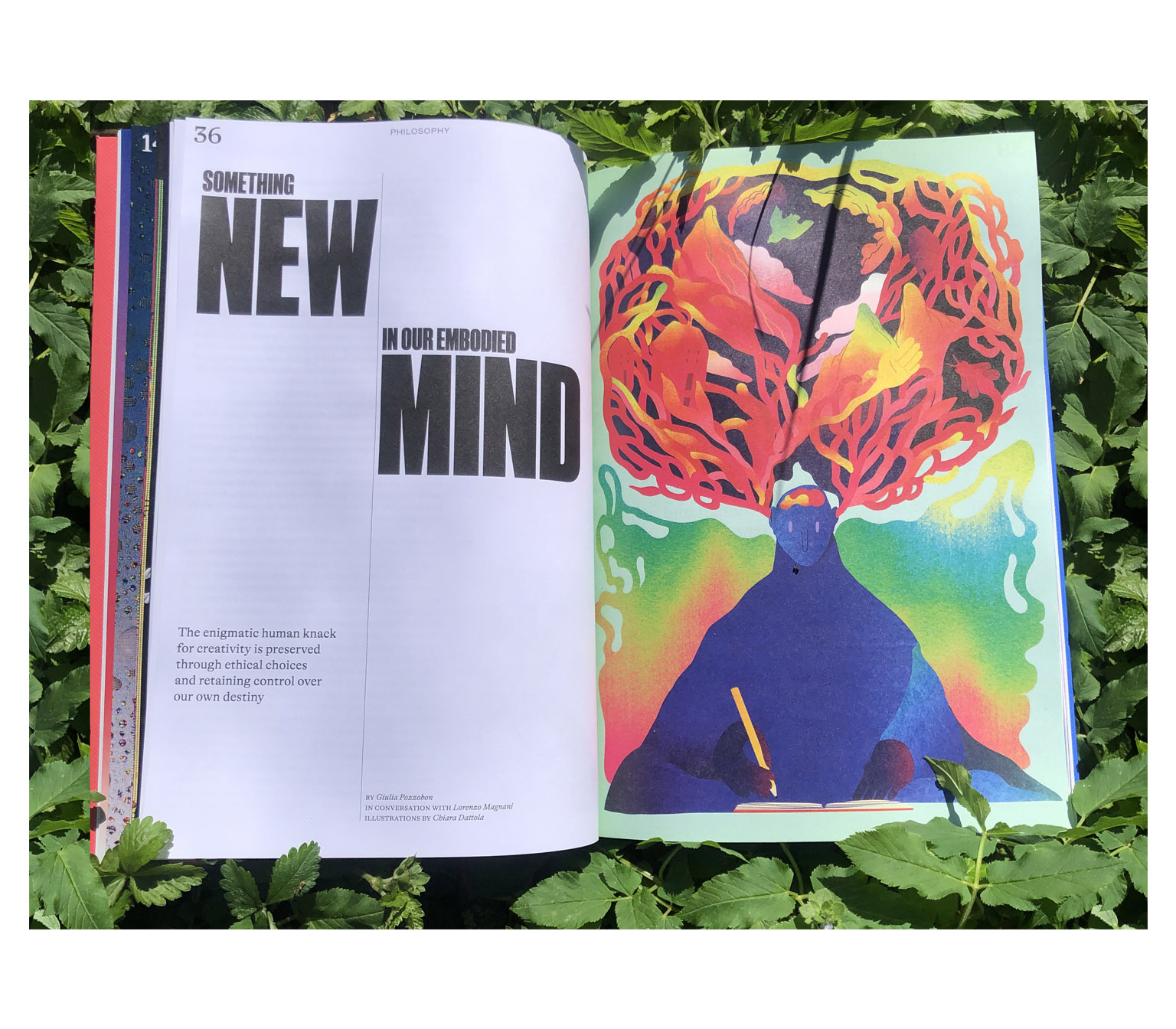
Lorenzo Magnani, philosopher of science and director of the Computational Philosophy Laboratory at the University of Pavia, discusses intelligence across various disciplines.

In a conversation about the interaction between human and artificial intelligence, he cautions: ‘We safeguard our intelligence through political and moral decisions.’ Article by Giulia Pozzobon.

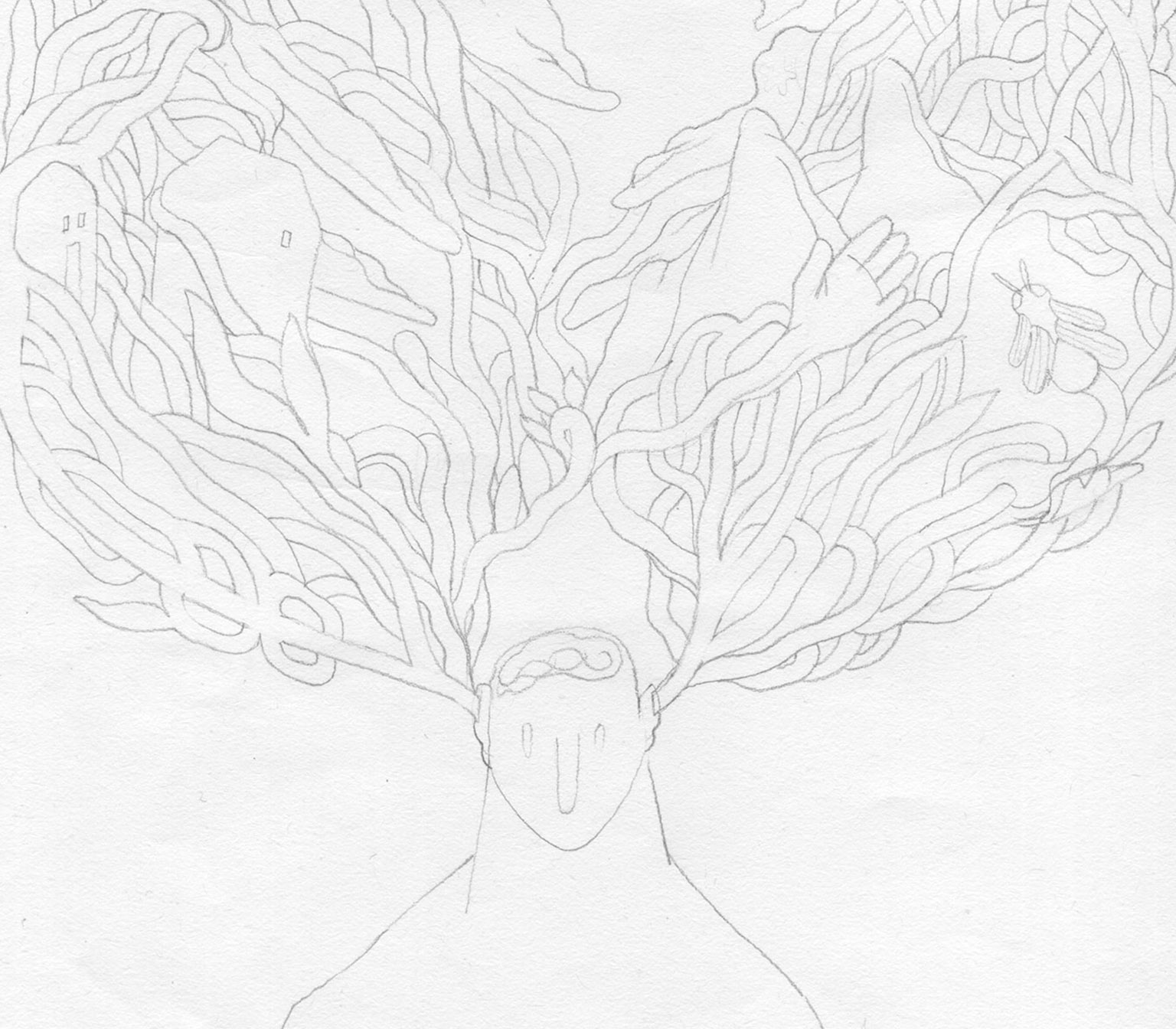
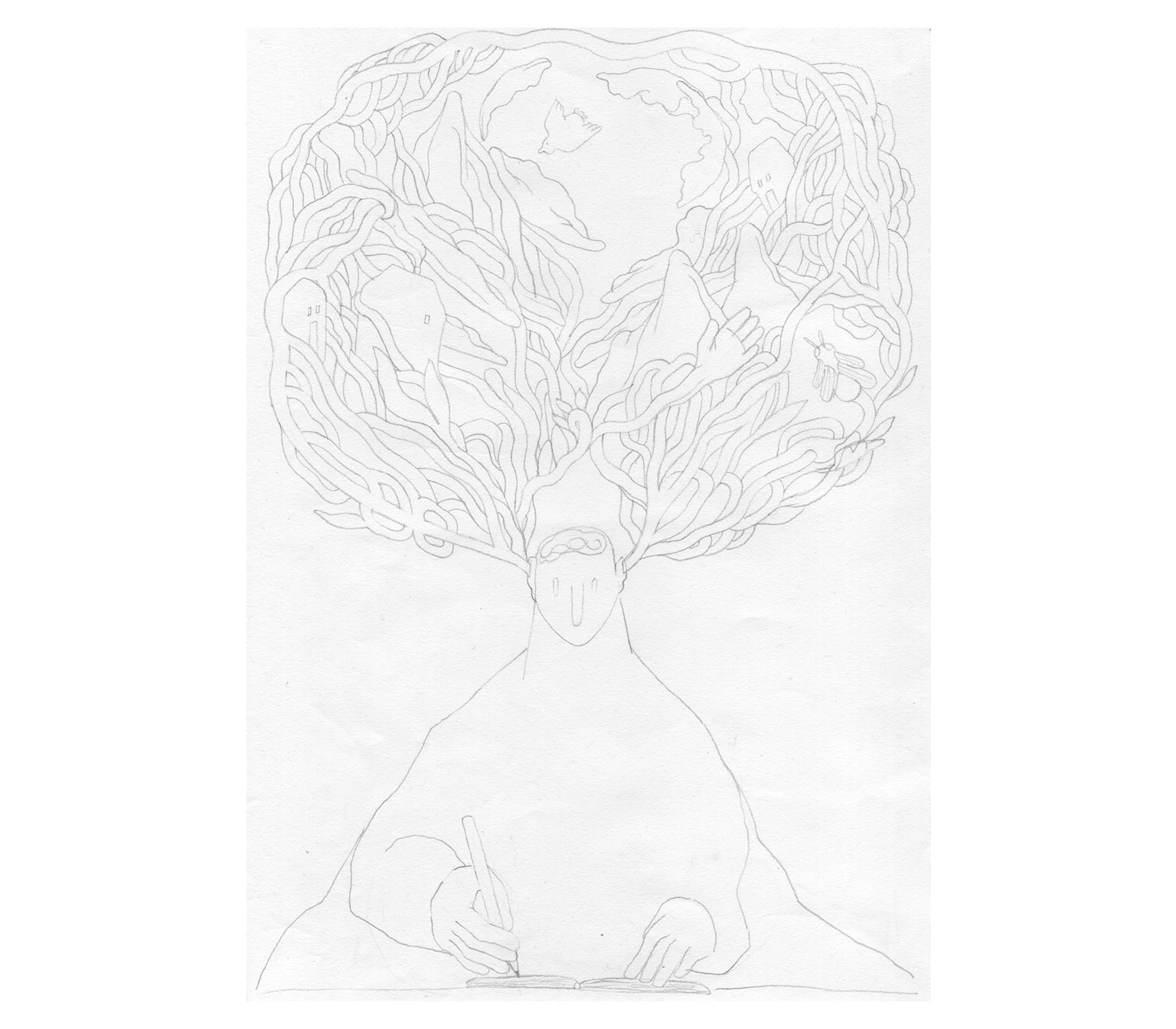
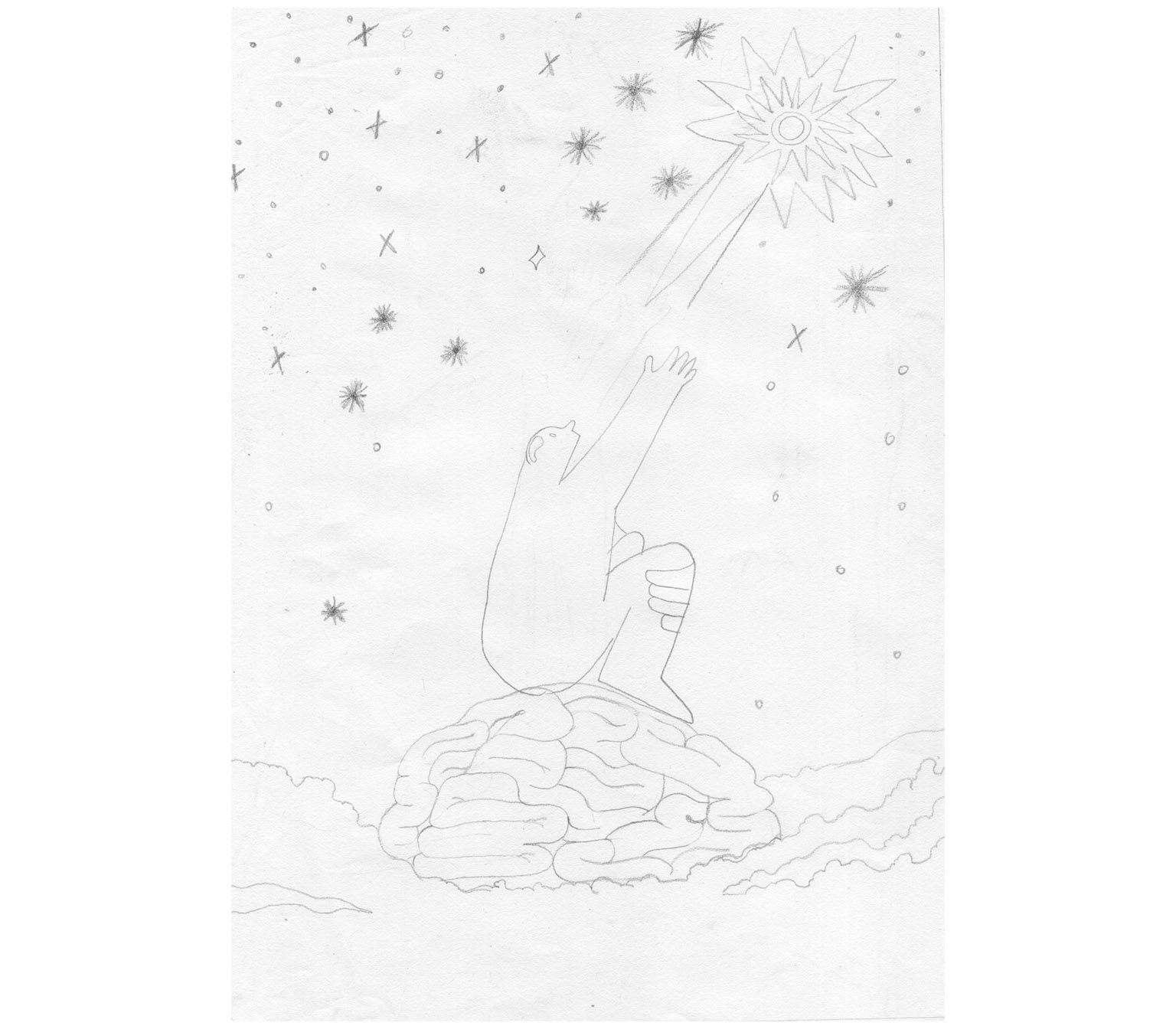
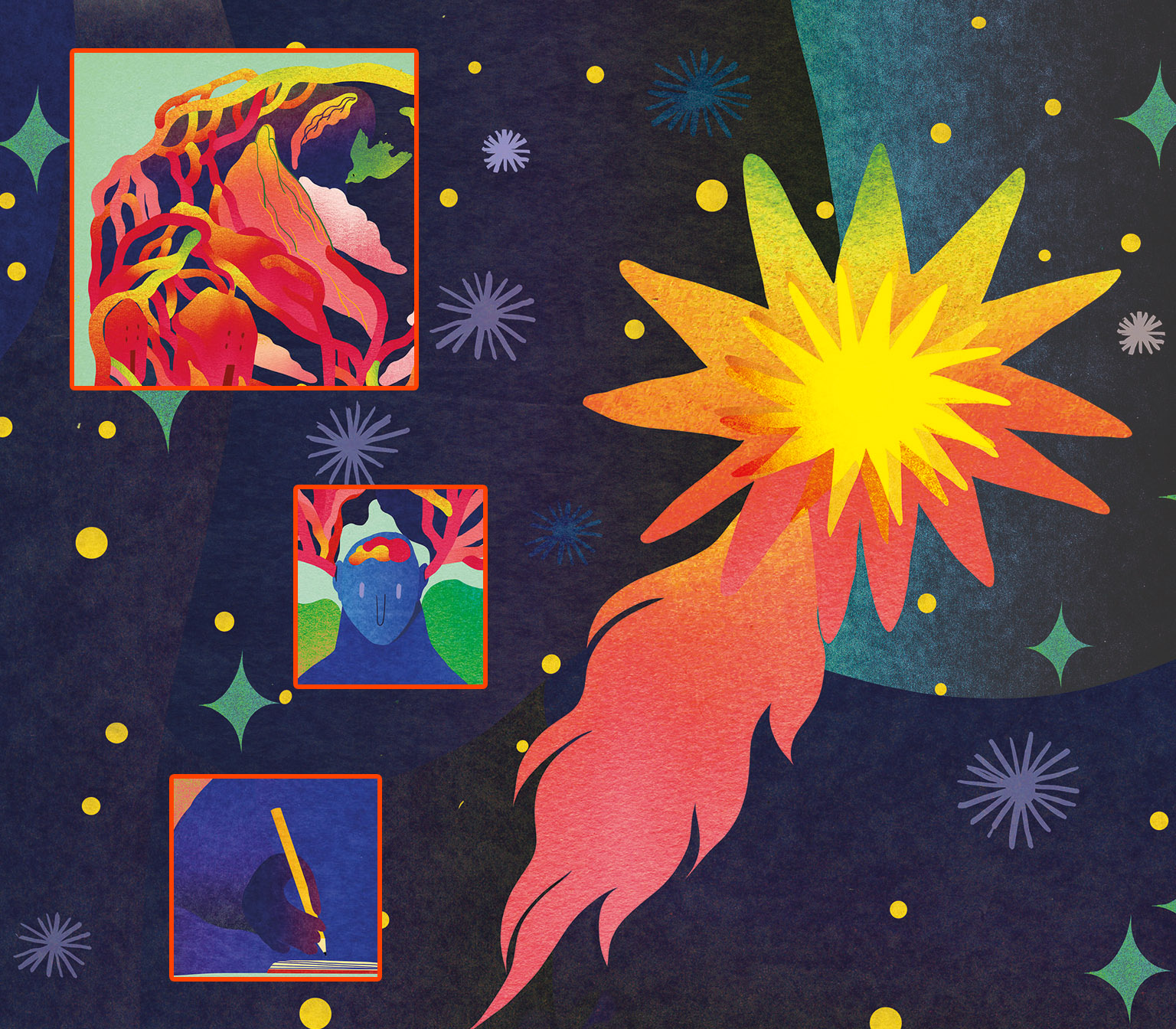
Below is the process leading to the final illustrations, along with the final illustrations.


#15 Winter 2024 – Intelligence

Purchase your copy here 


The project was selected by the Behance Illustration Curatorial Team to be showcased among the works highlighting the creativity and diversity of the community in 2026.


Le Monde Argent | Retirement Plans

Retirement savings plan

Le Monde Argent

A Success Yet to Be Fully Realized

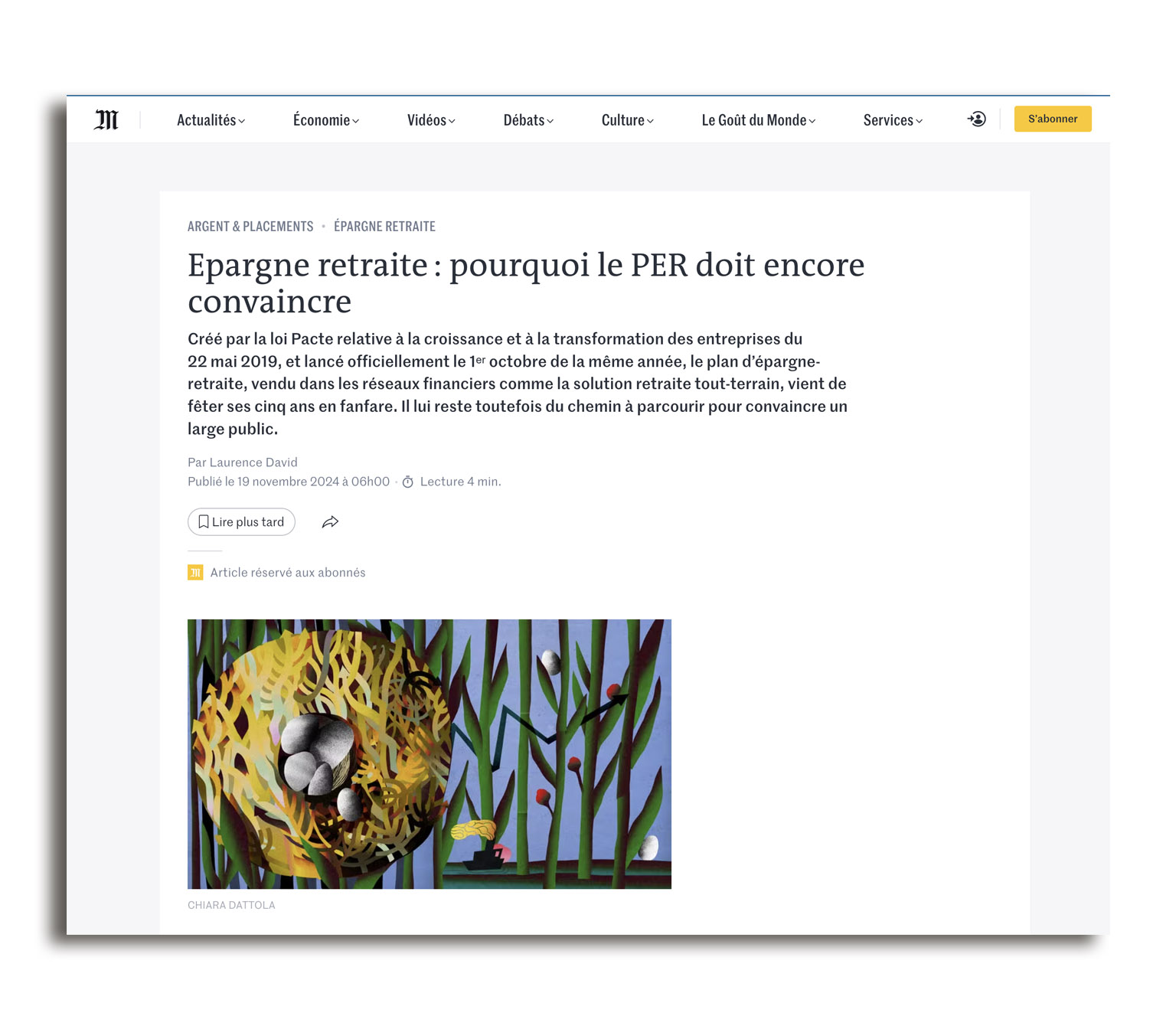
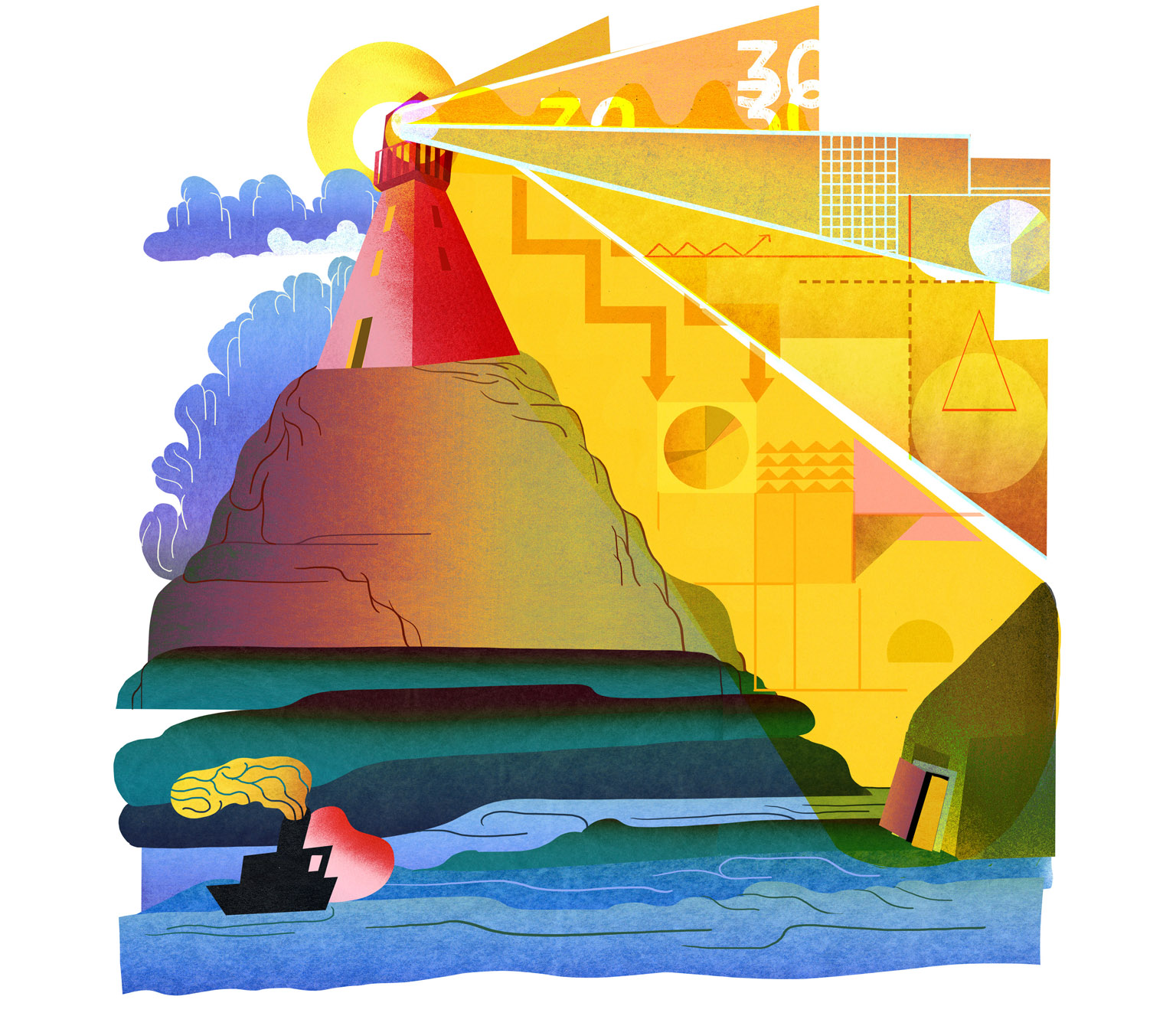
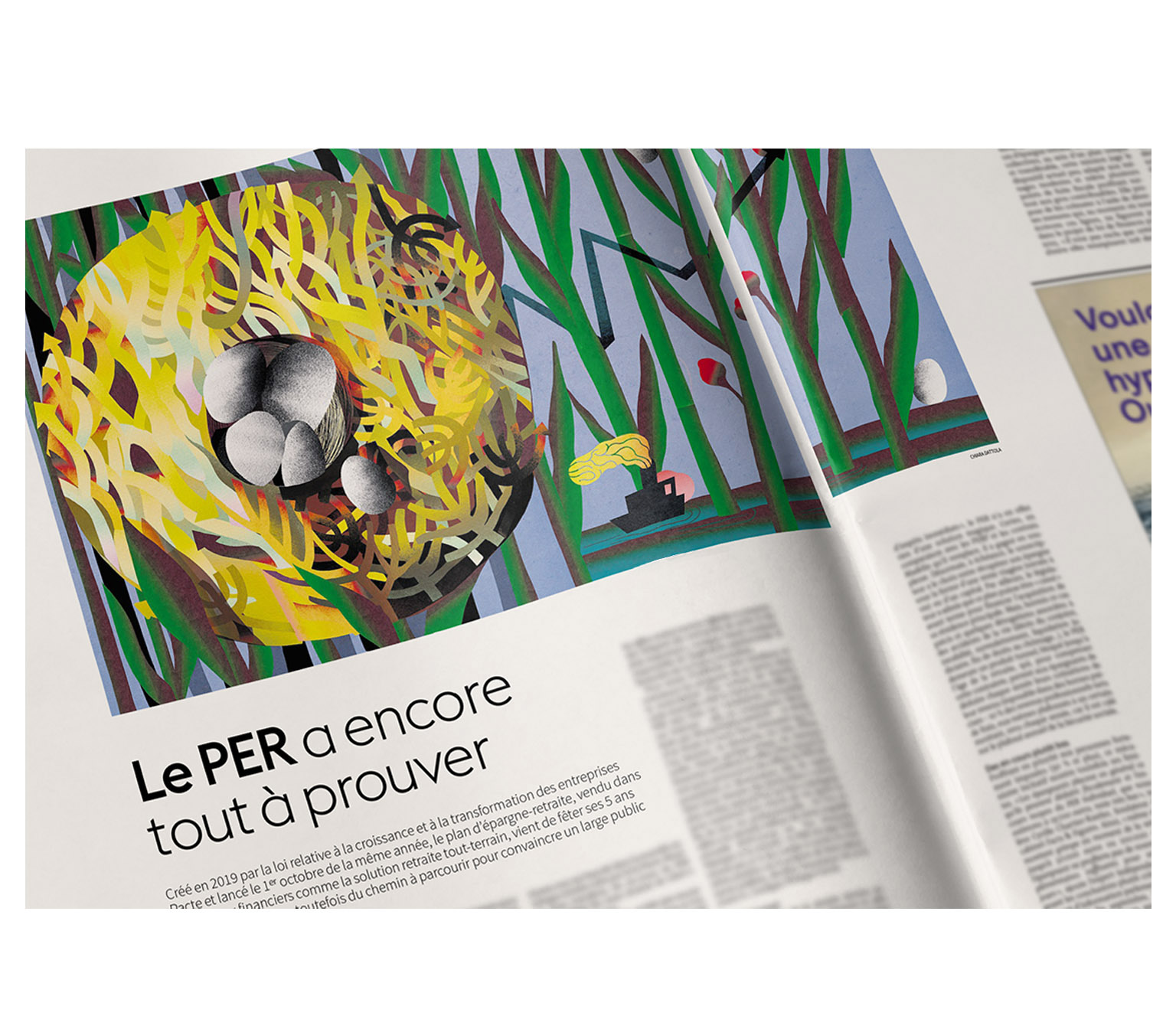
“The PER (Retirement Savings Plan) celebrates its fifth anniversary. While it has gained some popularity, with 25% of French assets covered, it still struggles with a lack of clarity and remains overshadowed by other financial products, such as life insurance.”

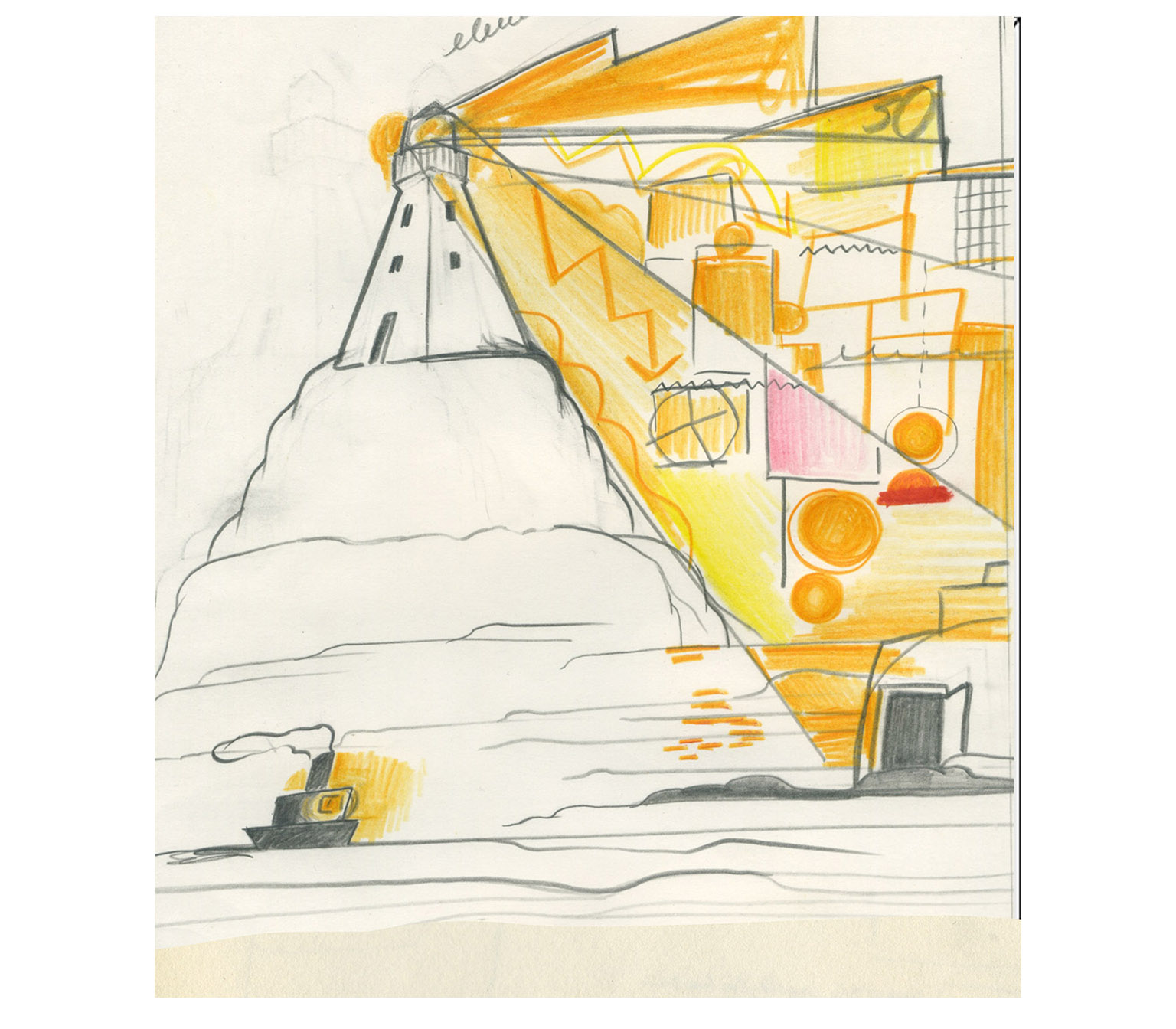
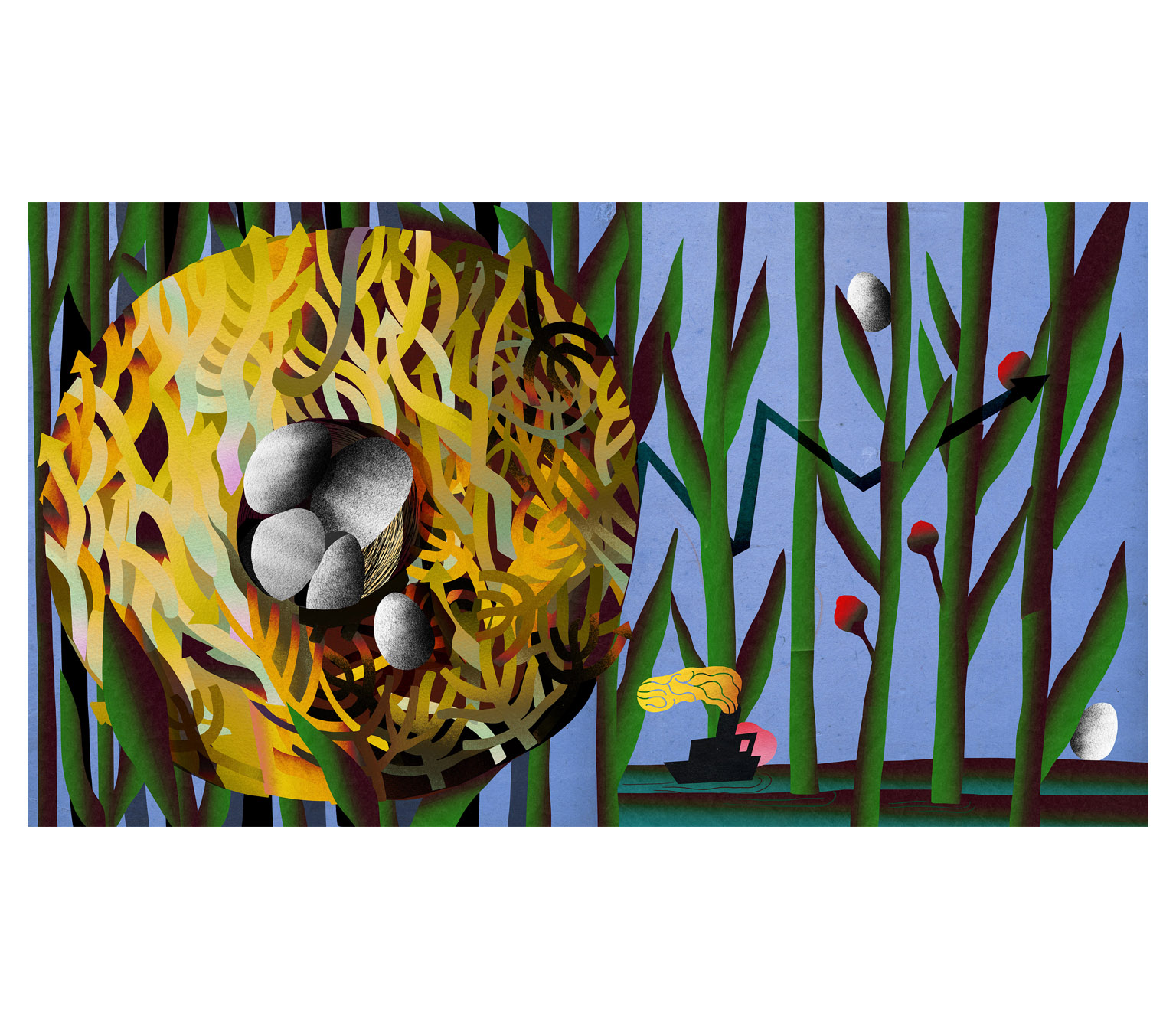
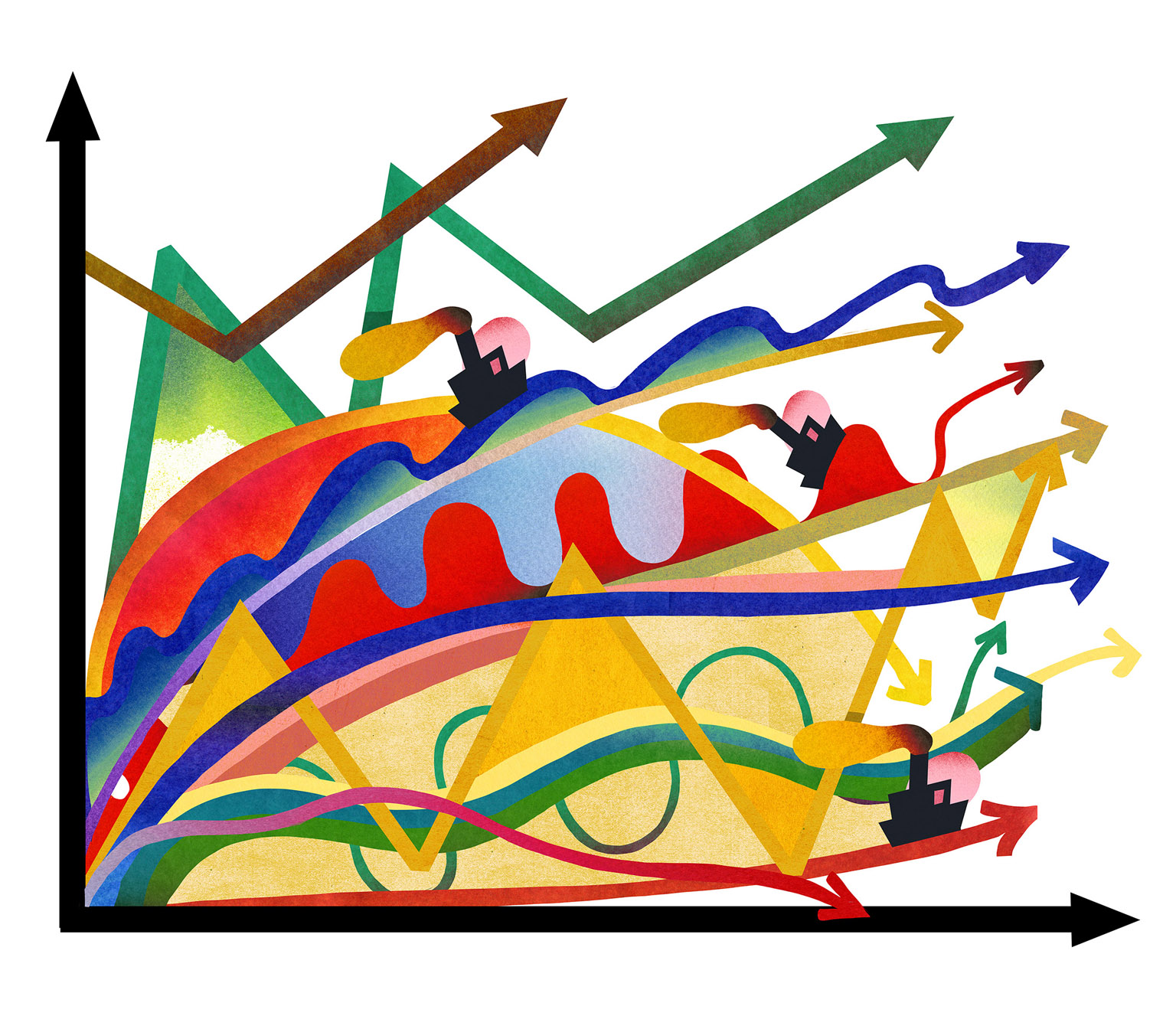
The recurring theme in these images, which vividly illustrate this issue of Le Monde Argent, is the boat.

The boat acts as a metaphor for the saver.

In creating these visuals, I set certain constraints on myself. Given how frequently this topic is discussed, I aimed to avoid redundancy.

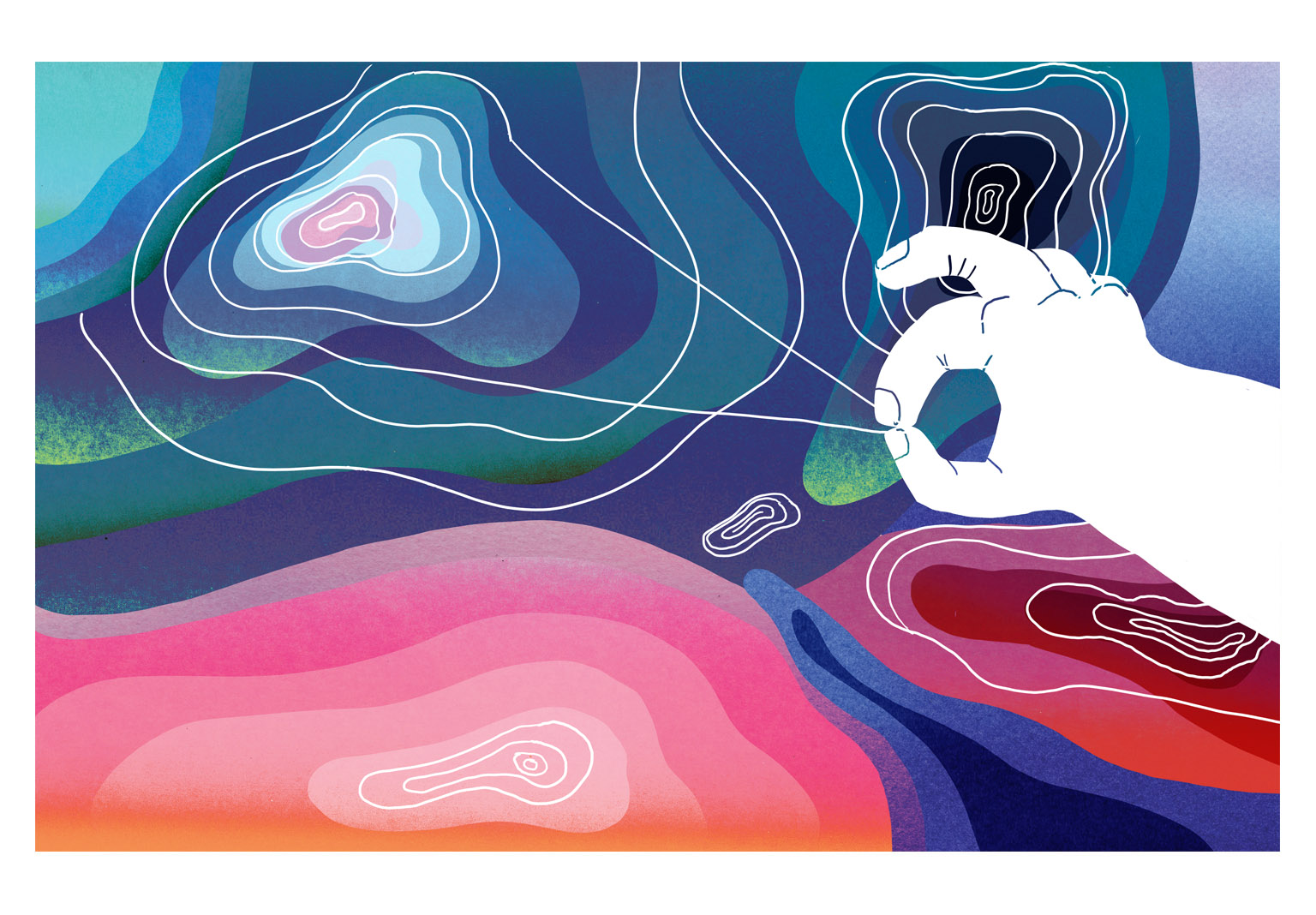
Graphs, diagrams, and indicators have been reimagined into less instructional and more poetic visuals. Arrows and the world of charts and numbers are subtly suggested, appearing as a texture rather than a focal point.

MY IDEA

This is my favorite image.

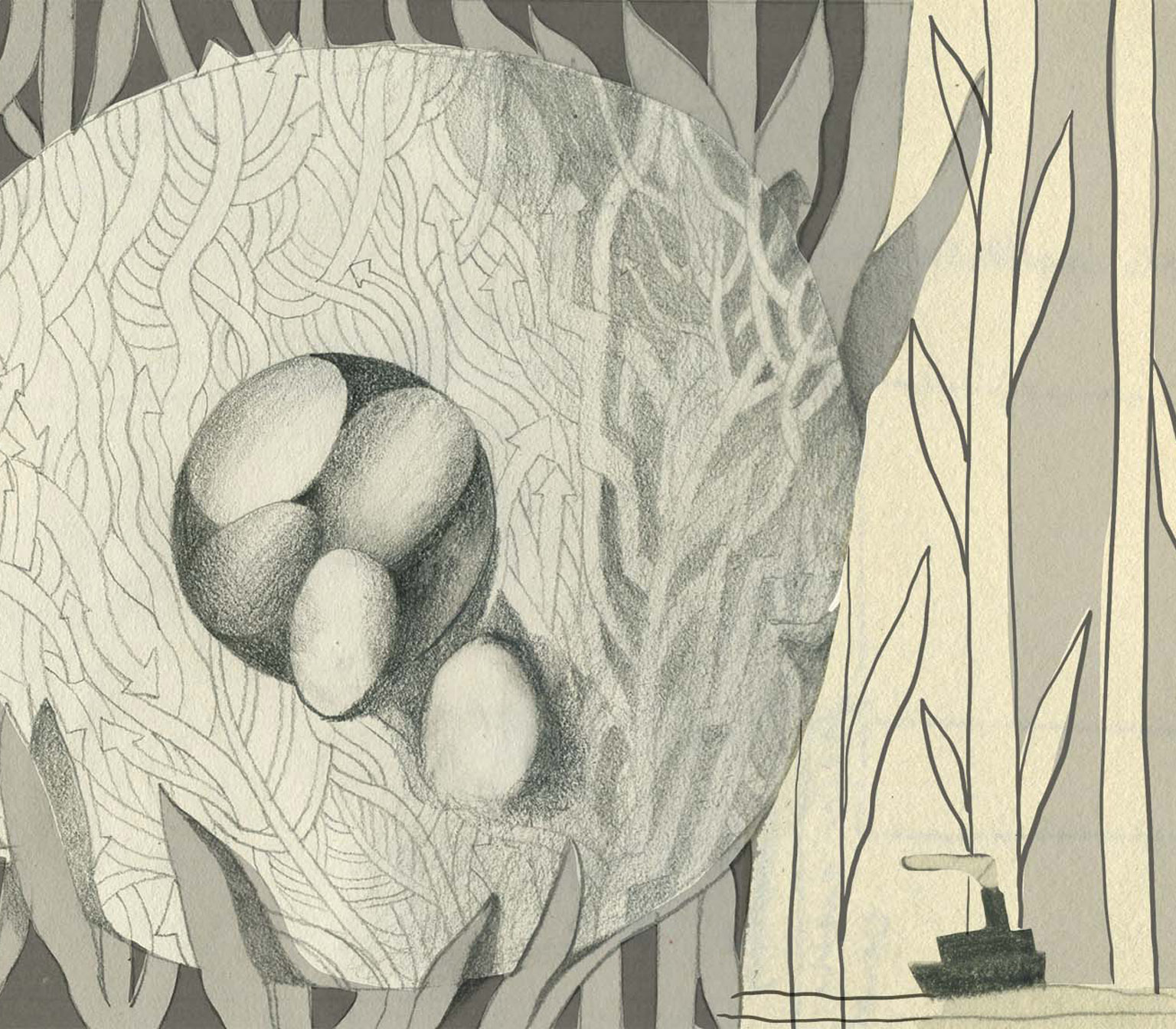
I envisioned a nest made of arrows. While reading the text, I came across the technical term Cuckoo Effect, which refers to a financial product that aggressively supplants others. I drew inspiration from this concept, originally coined by Belgian politician Hugo Schiltz.

Here is the link to the article on Le Monde’s website.

Internazionale | Amore che vieni

Internazionale

amore che vieni

                                        BEHIND THE SCENE

The Internazionale team invited me to create a series of images to accompany texts by Lorraine de Foucher.

MY IDEA

The theme was love relationships, and more specifically, their difficult sides.
I chose to focus on the idea of incommunicability, which I find to be the most painful aspect of such relationships: even when people are close, a certain distance remains.

The series was published exclusively online on Internazionale’s website — here is the link.

Below are some drafts, the final images, and the page layout.

The T-shirt presented at the Internazionale Festival featuring one of my illustrations.